


Best historian Niall Ferguson warned Friday that the entire world is sleepwalking into an period of political and economic upheaval akin to the 1970s — only worse.
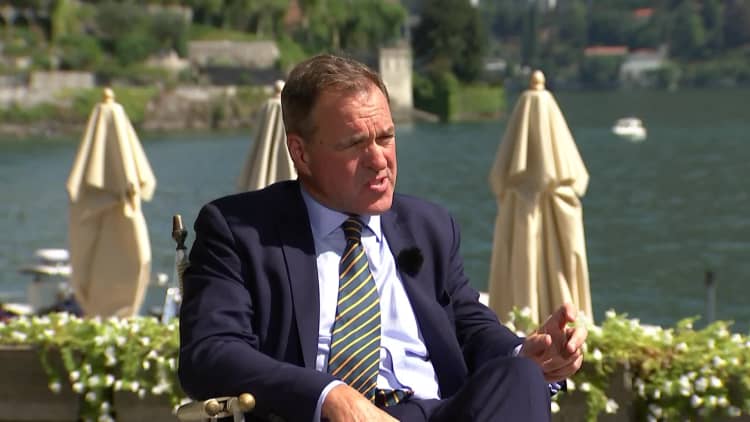
Talking to CNBC at the Ambrosetti Forum in Italy, Ferguson stated the catalyst activities experienced by now transpired to spark a repeat of the 70s, a interval characterised by fiscal shocks, political clashes and civil unrest. Nevertheless this time, the severity of those people shocks was very likely to be higher and a lot more sustained.
“The ingredients of the 1970s are previously in area,” Ferguson, Milbank Household Senior Fellow at the Hoover Institution, Stanford College, told CNBC’s Steve Sedgwick.
“The financial and fiscal coverage issues of past 12 months, which established this inflation off, are really alike to the 60s,” he said, likening latest value hikes to the 1970’s doggedly superior inflation.
“And, as in 1973, you get a war,” he continued, referring to the 1973 Arab-Israeli War — also recognised as the Yom Kippur War — amongst Israel and a coalition of Arab states led by Egypt and Syria.
As with Russia’s recent war in Ukraine, the 1973 Arab-Israeli War led to international involvement from then-superpowers the Soviet Union and the U.S., sparking a broader electricity crisis. Only that time, the conflict lasted just 20 times. Russia’s unprovoked invasion of Ukraine has now entered into its sixth month, suggesting that any repercussions for power markets could be much worse.
“This war is lasting substantially for a longer period than the 1973 war, so the power shock it is creating is really likely to be a lot more sustained,” mentioned Ferguson.
2020s even worse than the 1970s
Politicians and central bankers have been vying to mitigate the worst effects of the fallout, by boosting desire charges to beat inflation and lessening reliance on Russian electrical power imports.
But Ferguson, who has authored 16 textbooks, including his most new “Doom: The Politics of Disaster,” mentioned there was no evidence to advise that present crises could be averted.
“Why shouldn’t it be as negative as the 1970s?” he said. “I’m going to go out on a limb: Let’s take into account the risk that the 2020s could actually be worse than the 1970s.”
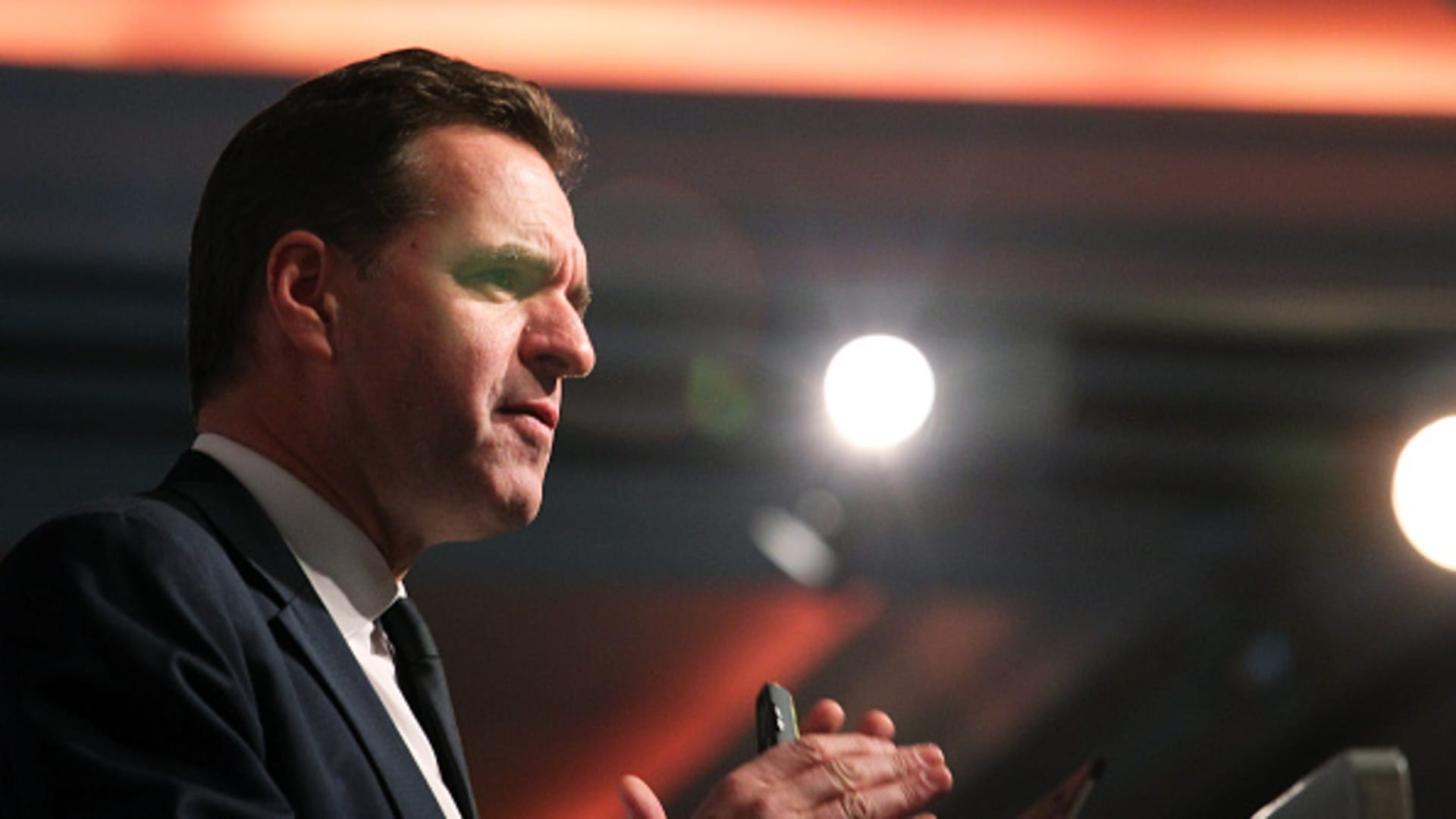
Best historian Niall Ferguson has reported the planet is on the cusp of a period of time of political and economic upheaval akin to the 1970s, only worse.
South China Early morning Publish | Getty Pictures
Between the explanations for that, he reported, had been currently reduced productiveness expansion, higher credit card debt levels and significantly less favorable demographics now as opposed to 50 decades ago.
“At minimum in the 1970s you had detente involving superpowers. I don’t see a great deal detente between Washington and Beijing appropriate now. In actuality, I see the reverse,” he explained, referring to the latest clashes more than Taiwan.
The fallacy of worldwide crises
Human beings like to imagine that world-wide shocks occur with some diploma of get or predictability. But that, Ferguson claimed, is a fallacy.
In fact, alternatively than being evenly distribute all over background, like a bell curve, disasters tend to come about non-linearly and all at the moment, he reported.
“The distributions in background really are not typical, significantly when it comes to issues like wars and financial crises or, for that make a difference, pandemics,” stated Ferguson.
“You begin with a plague — or a little something we will not see pretty generally, a seriously huge world wide pandemic — which kills millions of individuals and disrupts the financial state in all kinds of means. Then you strike it with a big monetary and fiscal policy shock. And then you increase the geopolitical shock.”
That miscalculation potential customers people to be extremely optimistic and, eventually, unprepared to manage significant crises, he stated.
“In their heads, the planet is variety of a bunch of averages, and there aren’t probably to be truly terrible results. This qualified prospects people today … to be fairly overoptimistic,” he claimed.
As an example, Ferguson claimed he surveyed attendees at Ambrosetti — a discussion board in Italy attended by political leaders and the enterprise elite — and uncovered lower solitary-digit percentages hope to see a decline in investment in Italy more than the coming months.
“This is a place which is heading in direction of a recession,” he explained.

