


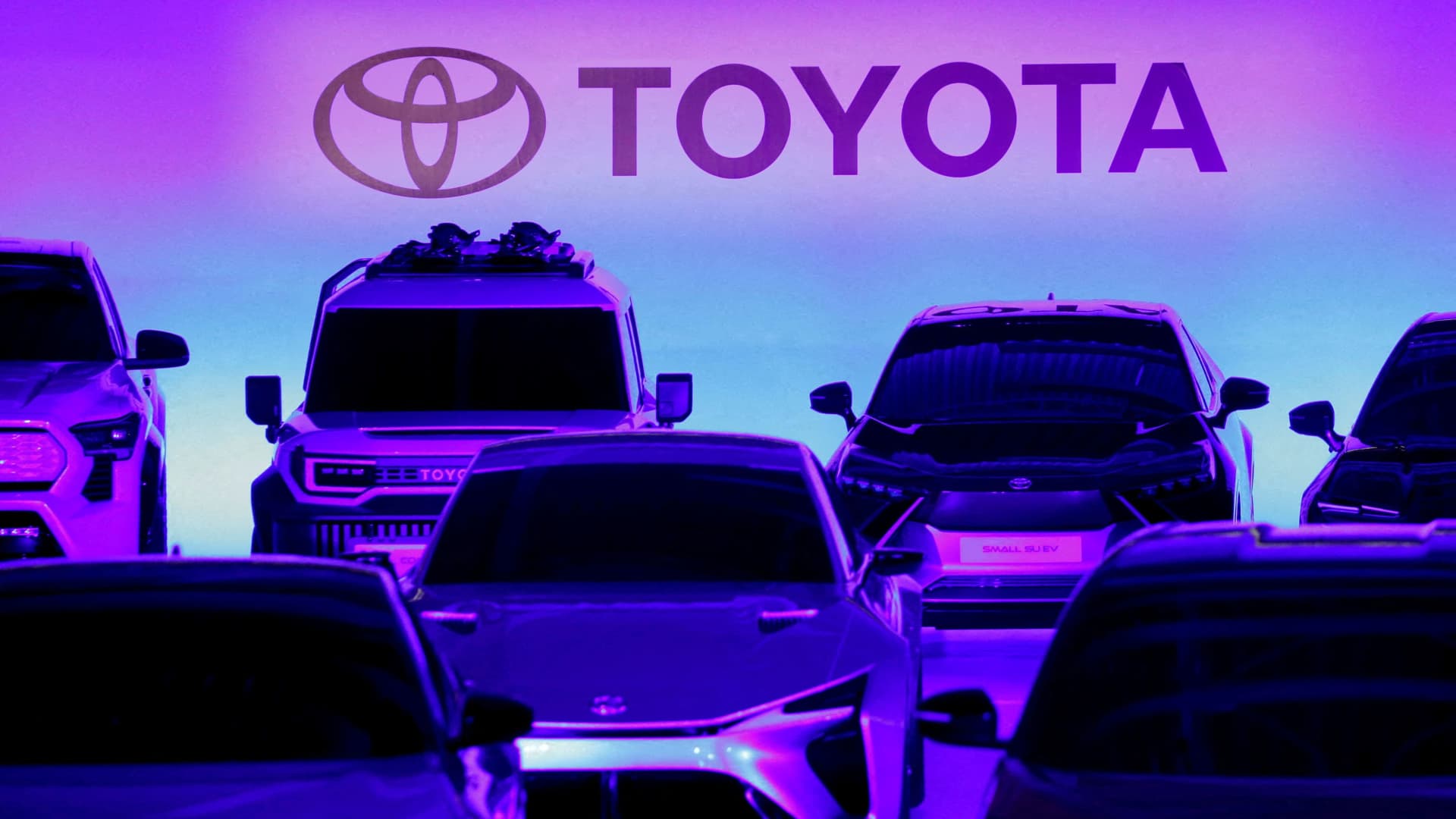
The world’s largest automaker, Toyota, is battling criticism it is behind rivals on electric vehicles, and is even working to try and block the transition to zero-emission electric fleets.
But the automaker says it does believe in an all-electric future. It just maintains that future will not reach all of Toyota’s markets at the same time.
Toyota was once considered a green vehicle pioneer. It introduced the Prius, the world’s mainstream hybrid vehicle in 1997. The Prius combined a gasoline-burning engine with an electric motor and small battery. This allowed drivers to dramatically increase their fuel economy compared to traditional internal combustion engine-powered cars.
The new technology proved to be a sales sensation: Toyota has offered hybrid versions of much of the rest of its lineup. The automaker has sold a total of 20 million hybrid cars, trucks, and SUVs around the world, and 5.4 million in the U.S. alone.
But in the meantime, other automakers, spurred by ever stricter government regulation and the success of newcomers like Tesla, began investing in fully electric vehicles.

For a long time, Toyota’s leaders argued there are fundamental engineering challenges to battery-powered electric vehicles — they take a long time to charge, require heavy and expensive batteries and have still limited range.
Those criticisms are less valid now given recent improvements in battery technology, auto industry analysts say. More important, companies have found a strong business case for EVs. Tesla is now the leading luxury brand in the United States.
Toyota’s new $35 billion investment, announced in December 2021, includes a plan to introduce 30 electric models by 2030. That is just under a quarter of the more than 130 models it currently makes.
At the same time however, Toyota said it would invest an equal amount in hybrids and hydrogen fuel cell vehicles.
Gartner, an industry research firm, expects gasoline-burning engines will still make up about 50 percent of sales in the early 2030s.
“We still think that in 10 years, 50% of new vehicle sales will be gasoline,” said Mike Ramsey, a vice president in Gartner’s CIO Research Group. “And if you look at the global footprint, that is almost certainly going to be true, because you’re not going to see in Nigeria, in Iran, in Indonesia, a 50% market share for electric vehicles, period.”
Watch the video to learn more about Toyota’s singular approach to electric vehicle manufacturing.


