


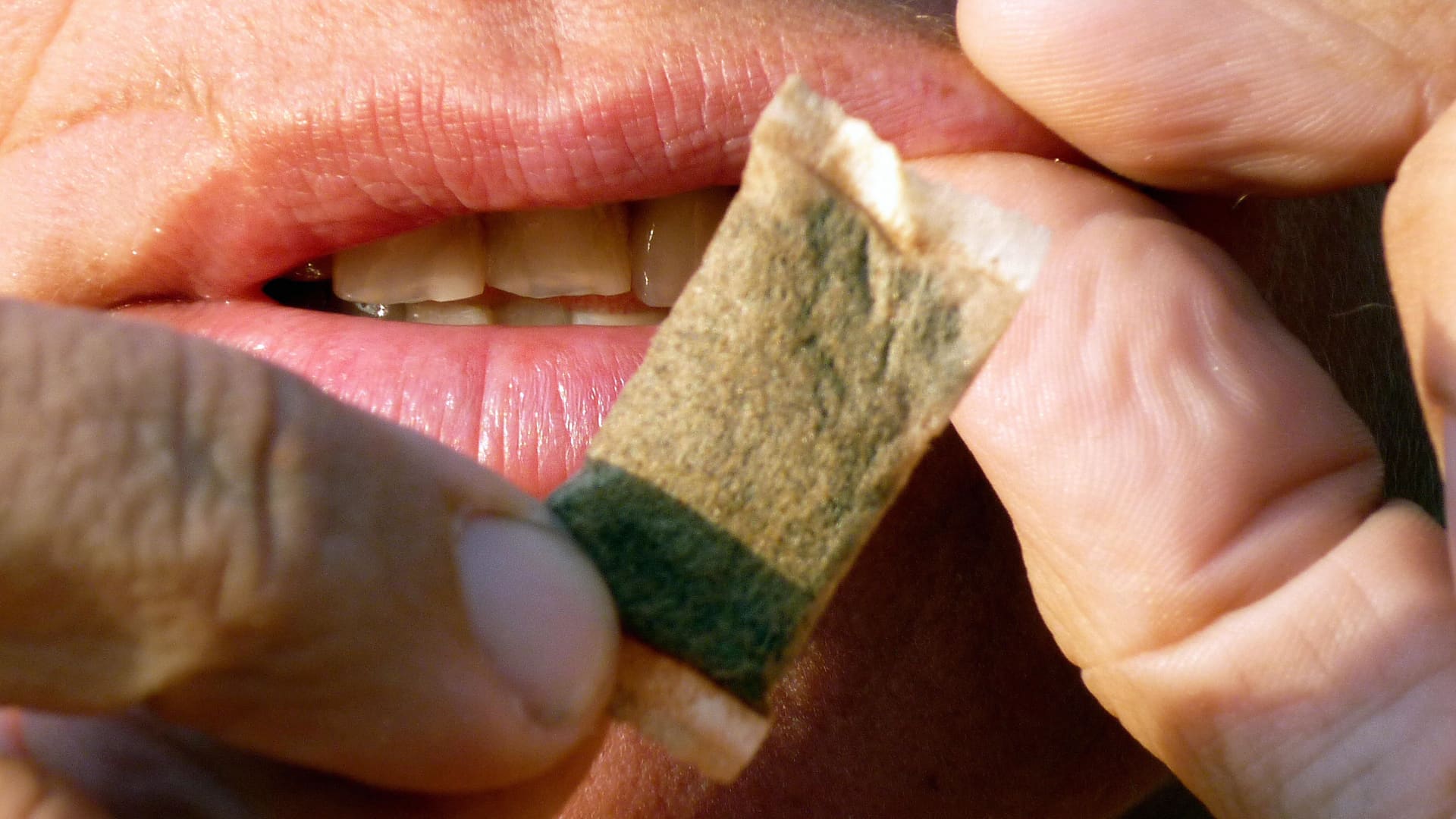
Swedish Match generates most of its profit from Swedish-style smoke-free tobacco snuffs, also known as ‘snus.’
Olivier Morin | Afp | Getty Images
Marlboro-maker Philip Morris International confirmed Wednesday a $16 billion bid to buy rival Swedish Match as part of its accelerated push into smoke-free tobacco alternatives.
Shares of Stockholm-based manufacturer hit a record high in early trade after its board agreed to the 161.2 billion krona cash offer from the U.S.-Swiss tobacco giant.
Swedish Match is now trading at a 32% premium since talks between the two companies were first announced Friday. Following a bumpy ride since Friday, Philip Morris International stock is trading marginally higher.
The deal, which is now subject to shareholder approval, marks the latest phase in Philip Morris International’s ongoing efforts to reduce its reliance on traditional cigarettes amid growing public scrutiny.
A market-leader in smoke-free ‘snus’
107-year-old Swedish Match is primarily known for producing traditional Swedish-style snuffs, branded “General Snus,” a type of smoke-free tobacco pouch which is placed between the upper lip and gum as an alternative to smoking.
While illegal in the EU over health concerns, Swedish Match’s General Snus were granted authorization by the U.S. Food and Drug Administration in 2019 after they found to present lower risks of “mouth cancer, heart disease [and] lung cancer” than cigarettes.
Still, the FDA noted at the time that such products were not implied safe in general, nor were they FDA approved. “All tobacco products are potentially harmful and addictive,” it added.
Philip Morris International’s bid for Stockholm-based Swedish Match forms part of its wider plans to expand beyond traditional cigarettes.
Bloomberg | Bloomberg | Getty Images
Meantime, the company has seen rapid growth in recent years of its newer, tobacco-free nicotine pouches, “Zyn,” amid increasing consumer demand for cigarette alternatives.
In first-quarter earnings released Wednesday, Swedish Match reported a significant uptick in sales and profits from Zyn in the U.S., with deliveries up 35%.
The U.S. now accounts for Swedish Match’s largest market after Scandinavia, and its Zyn pouches dominate in a market flooded by rivals including British American Tobacco PLC and Altria Group, from which Philip Morris International spun off in 2008.
Philip Morris weans itself off cigarettes
Philip Morris International is based in the U.S., but does not sell its products there. Rather, it distributes its products internationally, including Marlboro cigarettes, L&M, Lark and Philip Morris.
With the deal, it aims to regain access to a ready-made distribution network in its ex-owner’s home territory.
It is the latest move by Philip Morris International to diversify beyond traditional, tobacco-based revenue streams. In 2021, it agreed to take over asthma drug develop Vectura Group, and is also responsible for creating the IQOS heated-tobacco system.
As of last year, the company’s smoke-free portfolio accounted for about 29% of its net revenue, or $31.4 billion.
Campaign groups have condemned tobacco giants, which have a long history of denying the health risks of smoking, for advocating themselves as part of the transition to a smoke-free world while also continuing to sell and promote cigarettes globally.
Among Swedish Match’s other smokeless tobacco products are America’s Best Chew, a chewing-tobacco product, and Longhorn, a type of moist snuff brand.
Philip Morris International said completing the offer was conditional on regulatory approval and on no other company making an offer.
However, analysts at Credit Suisse said in a note that potential counterbids look unlikely. Japan Tobacco International has little appetite to enter the U.S. market, it noted, while British American Tobacco and Imperial would be reluctant due to anti-trust concerns in the U.S. and Scandinavia.
—CNBC’s Sam Meredith contributed to this article.

