U.S. stock index futures were flat overnight Tuesday after the major averages jumped in regular trading hours, attempting to claw back some losses following weeks of selling.
Futures contracts tied to the Dow Jones Industrial Average, S&P 500 and Nasdaq 100 were little changed.
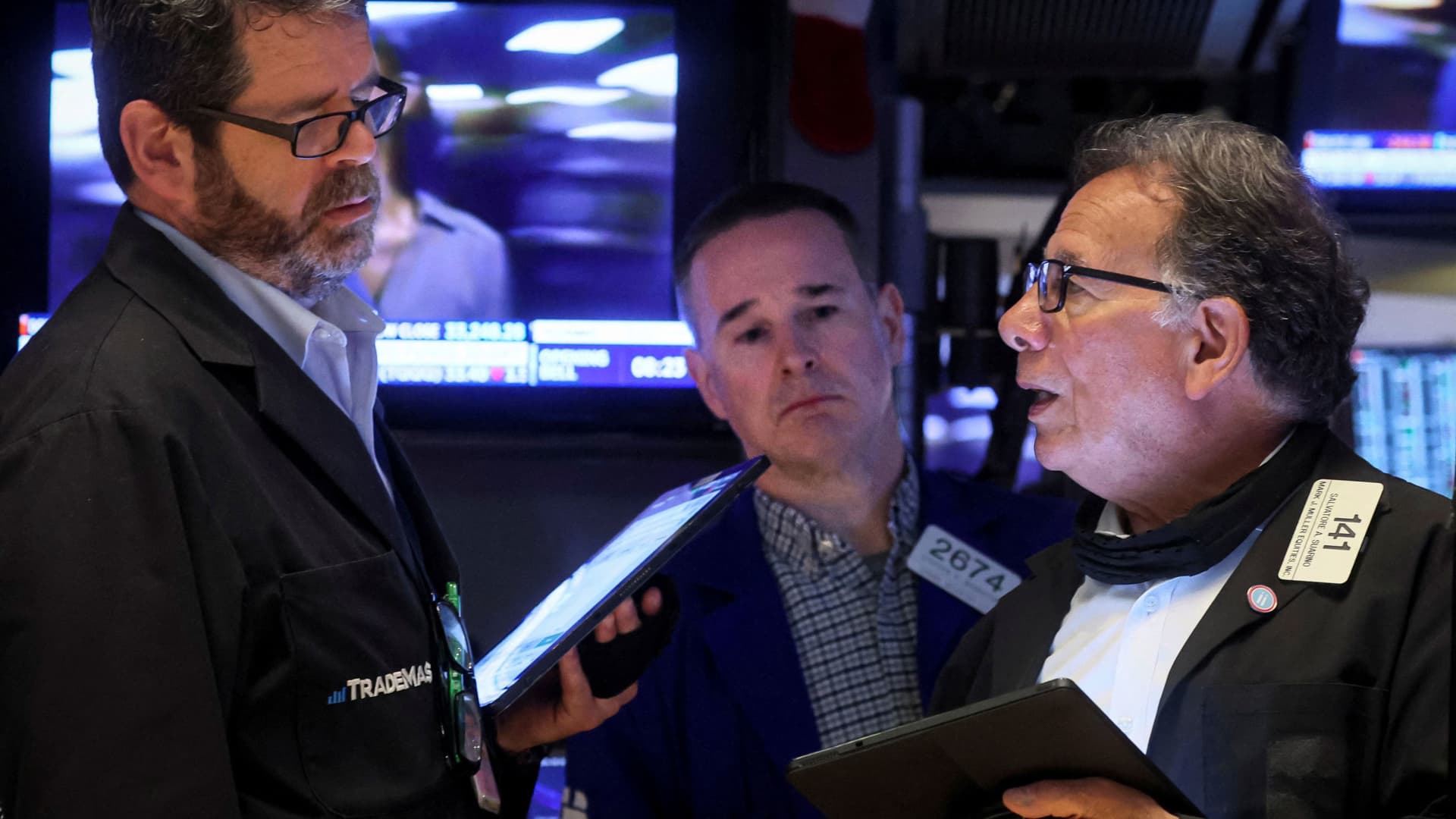
During regular trading Tuesday, the Dow surged 641 points, or 2.15%. The S&P 500 added 2.45%, turning in its best day since May 4. The jump comes after the benchmark index slumped 5.79% last week in its worst weekly performance since March 2020.
The Nasdaq Composite advanced 2.51% on Tuesday, following its tenth week of losses in the last 11 weeks.
Growing fears that the economy will tip into a recession have recently weighed on stocks. The Federal Reserve last week hiked interest rates by three-quarters of a percentage point, the central bank’s largest rate increase since 1994.
The move came as the Fed tries to cool inflation, which has surged to a 40-year high.
“We don’t see a U.S. or global recession in ’22 or ’23 in our base case, but it’s clear that the risks of a hard landing are rising,” UBS said Tuesday in a note to clients.
“Even if the economy does slip into a recession, however, it should be a shallow one given the strength of consumer and bank balance sheets,” the firm added.
Goldman Sachs, meantime, believes a recession is becoming increasingly likely for the U.S. economy, saying that the risks of a recession are “higher and more front-loaded.”
“The main reasons are that our baseline growth path is now lower and that we are increasingly concerned that the Fed will feel compelled to respond forcefully to high headline inflation and consumer inflation expectations if energy prices rise further, even if activity slows sharply,” the firm said in a note to clients.
Tuesday’s rally begs the question of whether the action is short-term relief after weeks of selling, or a meaningful change in sentiment. Tuesday’s strength was broad-based. All 11 S&P sectors registered gains on the day, with energy leading the way, climbing 5.8%.
“Our expectations are that market volatility will likely persist near term until the actions taken by the Federal Reserve thus far…and the actions it takes going forward have had time to work through the system,” Oppenheimer said Tuesday in a note to clients.
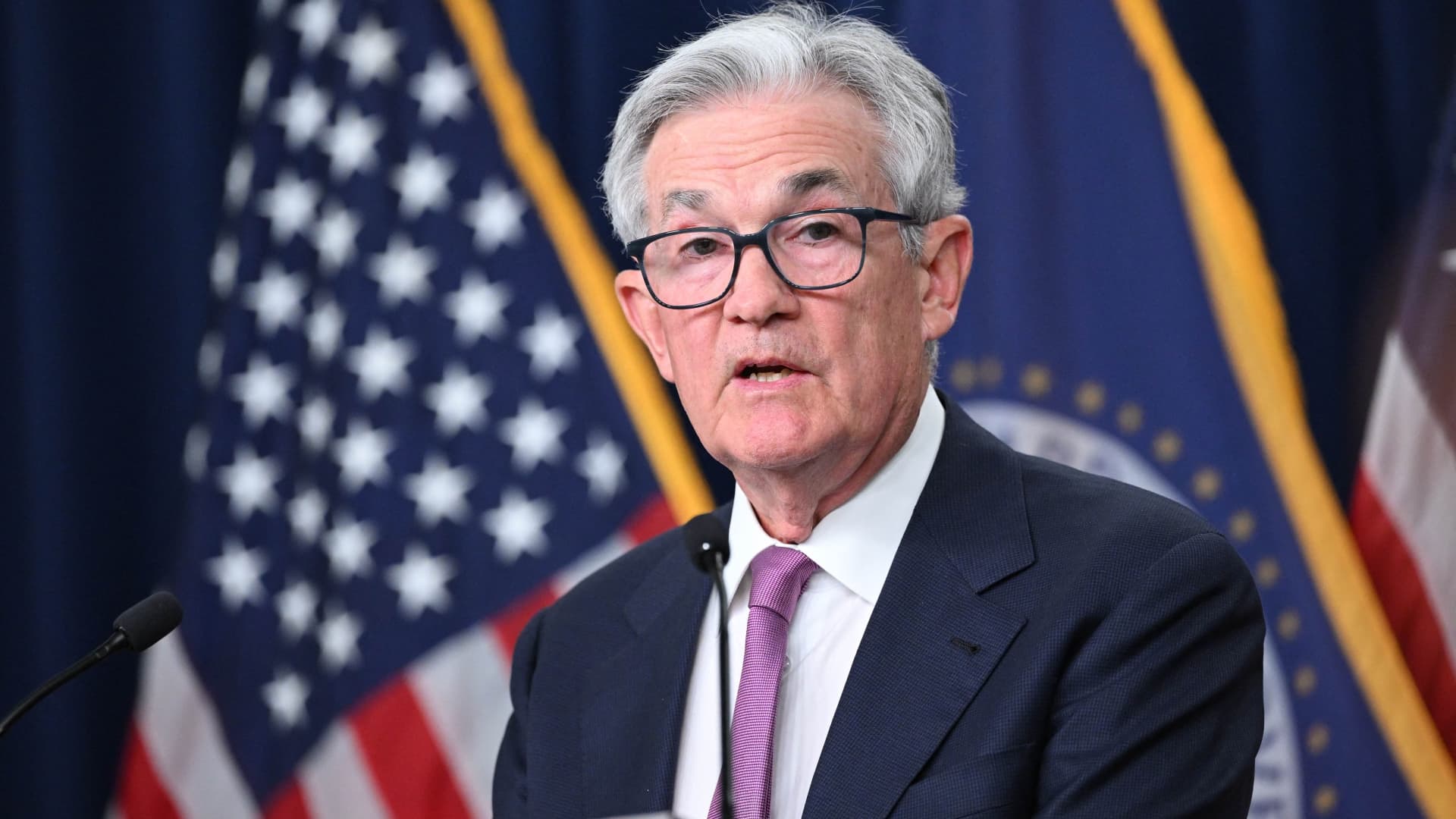
Fed Chair Jerome Powell will appear before Congress on Wednesday, kicking off two days of testimony. On the earnings front, KB Home will post results after the market closes on Wednesday.