



US Space Force General B. Chance Saltzman, Chief of Space Operations, testifies about the Fiscal Year 2024 Budget request during a Senate Armed Services Subcommittee on Strategic Forces hearing on Capitol Hill in Washington, DC, March 14, 2023. (Photo by SAUL LOEB / AFP) (Photo by SAUL LOEB/AFP via Getty Images)
Saul Loeb | Afp | Getty Images
When Gen. Chance Saltzman took the stage for his keynote at the Space Symposium in Colorado Springs, Colorado, this week, his message was simple: The U.S. is in a new era of space activity.
“The threats that we face to our on-orbit capabilities from our strategic competitors has grown substantially,” Saltzman, the U.S. Space Force’s second-ever chief of space operations, said in a CNBC interview after the speech. “The congestion we’re seeing in space with tracked objects and the number of satellite payloads, and just the launches themselves, have grown at an exponential rate.”
related investing news

“I want to make sure that we are thinking about our processes and procedures differently,” he said in an interview for CNBC’s “Manifest Space” podcast, his first broadcast interview since becoming the service’s highest-ranking military official last November.
The message comes at a key moment as space rapidly commercializes and a heightened geopolitical backdrop increasingly sees threats extending beyond Earth to a domain for which rules of engagement remain unclear.
Follow and listen to CNBC’s “Manifest Space” podcast, hosted by Morgan Brennan, wherever you get your podcasts.
Military experts say space is likely to be the front line in any future conflicts – a battlefield that could extend to the private sector and impact civilians in real time. Look no further than Russia’s invasion of Ukraine as an example: Recall the unprecedented cyberattack on the European communications network of U.S. satellite operator Viasat just as Russian soldiers mobilized to cross sovereign boundaries.
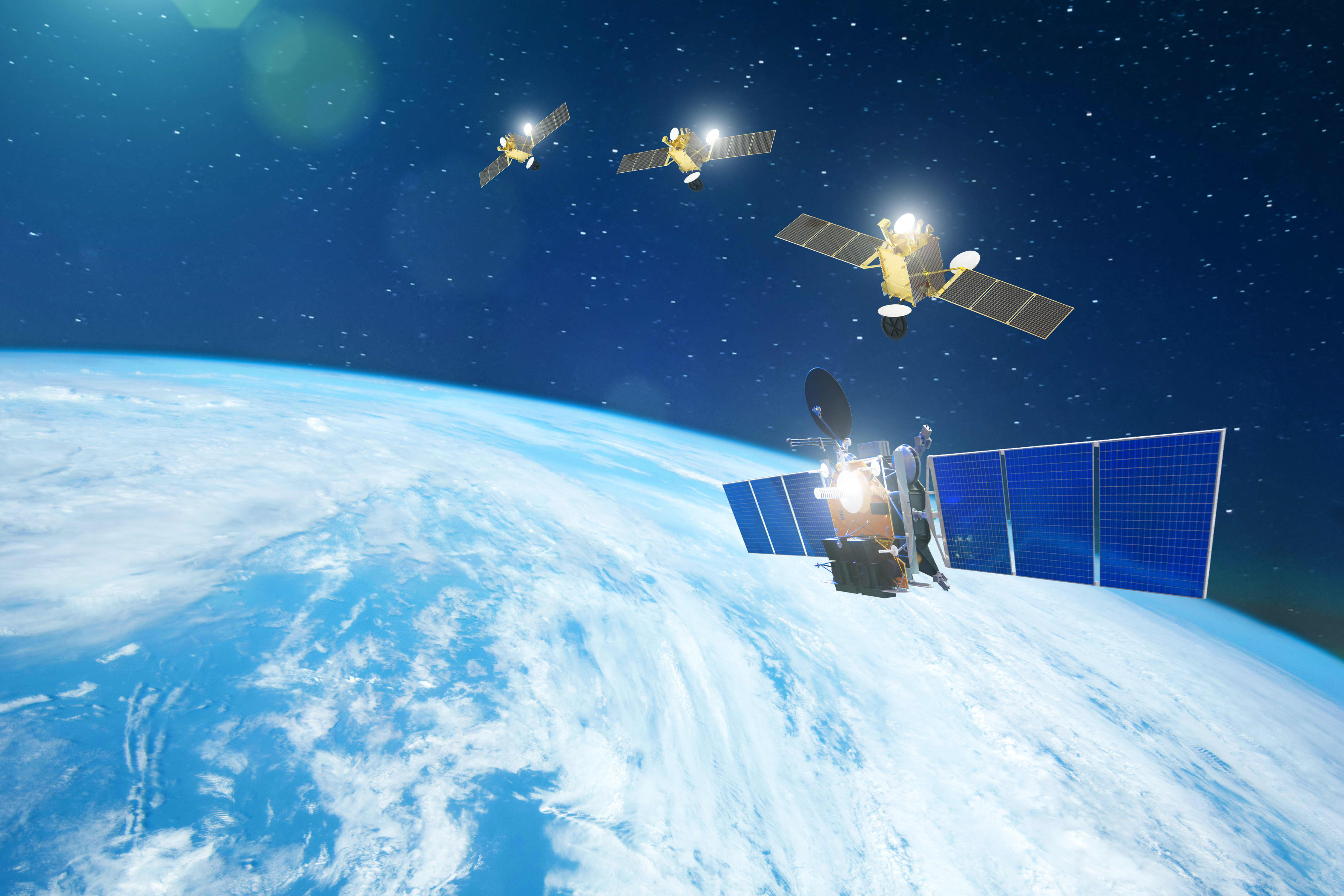
Saltzman said the space-based tactics of adversaries like Russia and China run the gamut, from the communications jamming of the GPS constellation; to lasers and “dazzlers” that interfere with cameras on-orbit to prevent imagery collection; to anti-satellite missiles like the one Russia tested in late 2021.
“We’re seeing satellites that actually can grab another satellite, grapple with it and pull it out of its operational orbit. These are all capabilities they’re demonstrating on-orbit today, and so the mix of these weapons and the pace with which they’ve been developed are very concerning,” he said.
It speaks to why, despite a wave of fervent debate, the Space Force was briskly stood up in 2019 as the first new branch of the U.S. armed services in seven decades.
To respond to evolving threats and secure space assets more quickly, Saltzman is looking to further augment the service’s capabilities to make satellite constellations more resilient and acquire more launch services by tapping into a burgeoning cadre of commercial space players.
Case in point: the Space Force’s recently announced procurement strategy for more launch services. The new “dual-lane acquisition approach” is intended to create more opportunities for rocket startups to compete for national security launch contracts.
With business to be awarded next year, the National Security Space Launch Phase 3 is estimated to run into the billions of dollars and is expected to draw bids from the likes of Rocket Lab, Relativity Space and Jeff Bezos’ Blue Origin, among others. Phase 2 awards went to SpaceX and United Launch Alliance, a joint venture of Lockheed Martin and Boeing.
An expanding budget helps, too. While still just a fraction of the country’s overall defense budget, the Space Force’s $30 billion request for fiscal 2024 represents a 15% increase from this year’s enacted levels.
“This is a team sport and none of us is going to be successful going in alone,” Saltzman said.
“Manifest Space,” hosted by CNBC’s Morgan Brennan, focuses on the billionaires and brains behind the ever-expanding opportunities beyond our atmosphere. Brennan holds conversations with the megamoguls, industry leaders and startups in today’s satellite, space and defense industries. In “Manifest Space,” sit back, relax and prepare for liftoff.


