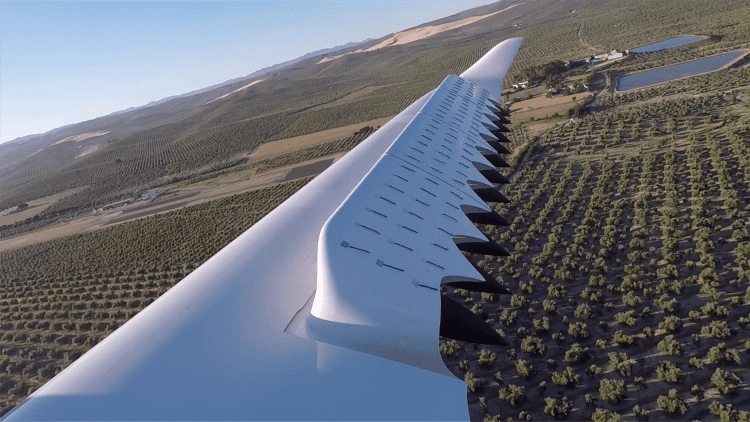
German company Lilium produces flying electric passenger drones.
Lilium
German aerospace startup Lilium faces insolvency if it doesn’t raise emergency funding from the state government for the southeastern state of Bavaria.
Insolvency would mark a dramatic fall for a startup once touted as Europe’s best chance at building the 21st-century equivalent of “cars” that can fly.
Lilium is one of a series of firms trying to build “eVTOLs,” or electric vertical take-off and landing, vehicles.
Popularly known as flying cars or air taxis, these vehicles are being developed by startups in the United States, Europe and Asia.
Today, however, Lilium is in trouble. The company is desperately trying to raise taxpayer funds in Germany. And so far, it’s been unsuccessful.
What happened?
Lilium has been negotiating an emergency capital injection with both Germany’s federal government and the Bavarian state government.
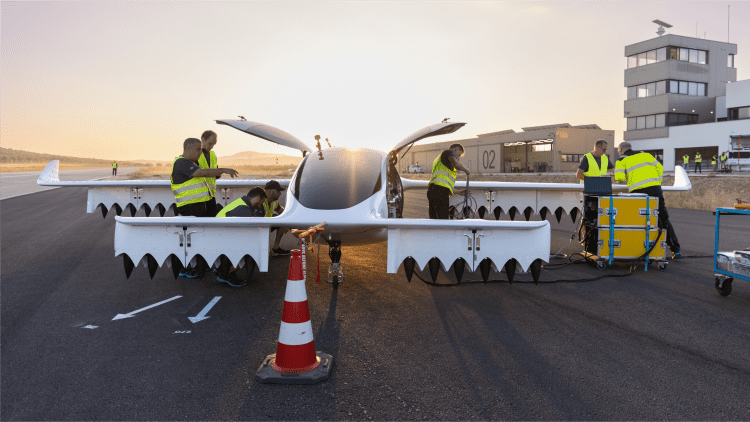
The firm had requested 50 million euros ($54 million) of loans from the federal government. However, its request was rejected by German lawmakers.
In a regulatory filing released last week, Lilium said it had “received indication that the budget committee of the parliament of the Federal Republic of Germany will not approve a €50 million guarantee of a contemplated €100 million convertible loan.”
The proposed state aid would have been issued by KfW, the German state-owned development bank.
Lilium is “continuing discussions with the Free State of Bavaria with respect to a guarantee of at least €50 million,” Lilium added in its filing.
A Lilium spokesperson told CNBC the company doesn’t plan to comment further beyond the statement outlined in its 6K filing.
In response to Germany’s decision to deny Lilium state aid, Hubert Aiwanger, Bavaria’s economy minister, criticized the move, saying it was “regrettable” that the federal government opted not to support the firm.
Danijel Višević, co-founder of Berlin-based climate technology investors World Fund, said that though it was “understandable” lawmakers denied Lilium support over concerns around the government supporting one single company over another, there was a misguided notion among politicians that air taxis are a “toy for millionaires.” This idea, he said, was “too short-sighted.”
Višević suggested it was unfair that U.S. electric car manufacturer Tesla — which burned through billions of dollars before making a profit — was once able to receive a U.S. government loan, but Lilium was not.
What Lilium tried to build
“Flying cars” perhaps isn’t the right term. But what Lilium was ultimately trying to bring to the world was a vertical take-off and landing aircraft that could fly people from one city to another to ease congestion on the roads.
The company initially wanted to roll out its own digital “hailing” service that would have seen users order rides on its jets from designated areas where it would be possible for the vehicle to take off and land.
Lilium subsequently decided to change its business model.
Rather than develop the whole service on its own, the company opted to partner up with airlines and airport operators, which would build out the service product and infrastructure needed to power its ambitions.
Lilium’s jets can cost as much as $9 million. The company also had a six-seater version in development, which would have set a buyer back about $7 million.
Lilium struck major deals with the likes of Lufthansa in Germany and Saudia in Saudi Arabia. It also agreed a tie-up with Groupe ADP, an international airport operator based in Paris.
Rise and fall
Founded by four university students in 2015, Lilium rapidly gained a reputation as one of Europe’s best-funded air taxi firms.
The company managed to raise hundreds of millions of dollars from investors including China’s Tencent, Atomico and Earlybird.
In September 2021, Lilium went public on the Nasdaq via a merger with a special purpose acquisition company called SPAC Qell.
At its height, Lilium was worth as much as $3.3 billion. Its shares have tanked to less than 50 cents — a more than 95% plunge from its stock market debut.
WATCH: eVTOLS: Are flying cars finally becoming reality?