



Jeremy Siegel
Scott Mlyn | CNBC
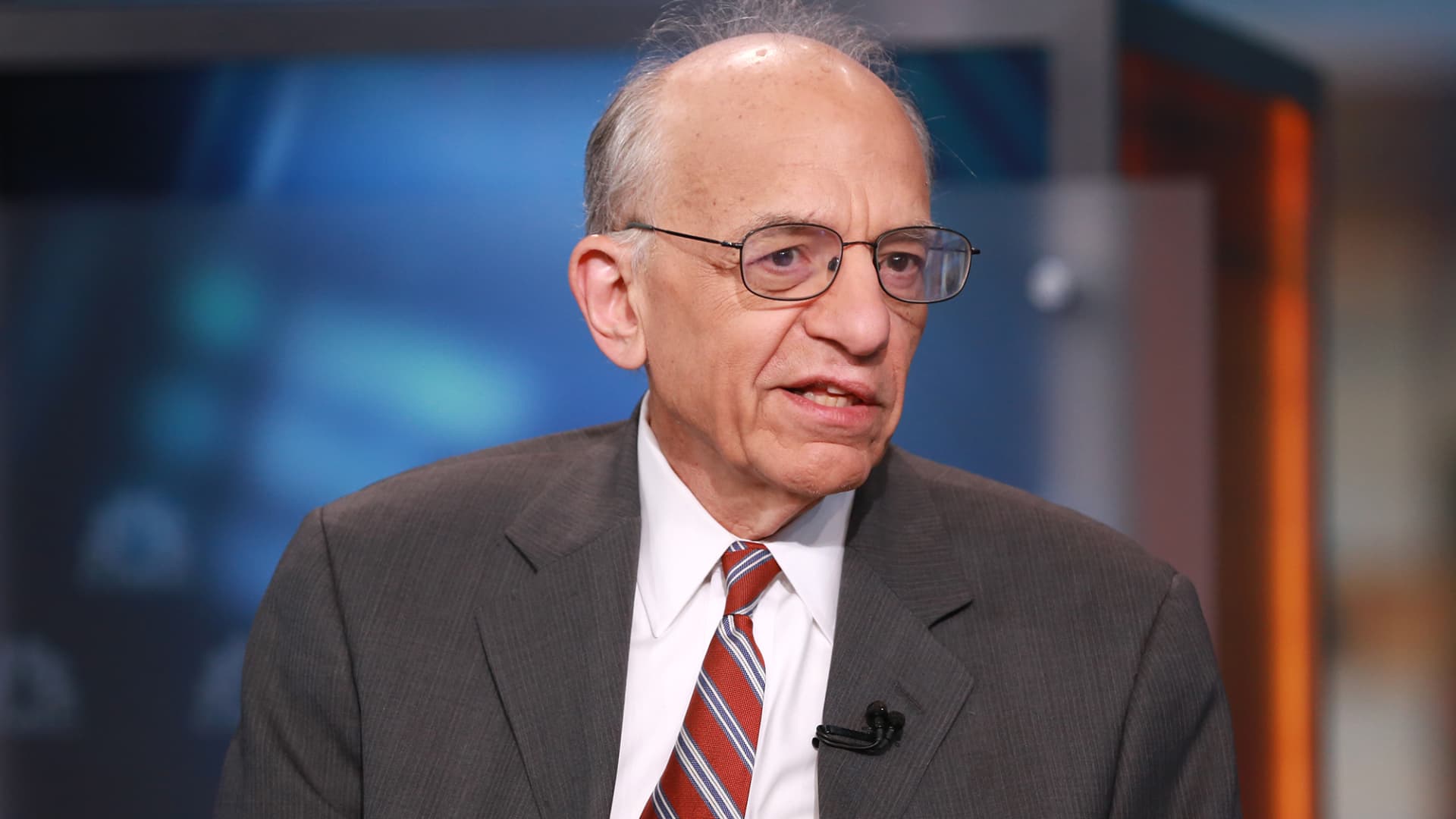
Wharton School Professor Jeremy Siegel no longer thinks it’s vital for the Federal Reserve to implement an emergency interest rate reduction, but still wants policymakers to cut quickly and aggressively.
Siegel, chief economist at WisdomTree, caused a stir Monday when he told CNBC that Fed Chair Jerome Powell and his colleagues should institute an emergency 0.75 percentage point decrease now and follow it up with another one in September.
Those comments came with markets cratering amid fears over a recession and concern that the Fed is being too slow-footed in easing policy now that the inflation rate has decelerated. However, positive data since then and a ferocious market rally Thursday apparently have eased the urgency.
“I no longer certainly think it’s necessary. But I want [Powell] to move down to 4% as fast as possible,” Siegel said during a phone interview. “Would it be bad? No. But would it be necessary? No, not at this time.”
The Fed on July 31 voted to hold its key interest rate between 5.25%-5.5%, a decision that quickly came under criticism when a report the next day on weekly jobless claims showed a spike and a manufacturing gauge put the sector further into contraction.
However, data Thursday showed claims moved lower from the previous week, and a service sector reading earlier in the week also was better than expected.
“Obviously, I wanted to shake things up,” Siegel said of his call for an intermeeting move. “There’s no way he’s going to do that without things falling apart. I don’t think things are falling apart. But by all criteria and all monetary rules … they should be under 4%.”
Markets pricing indicates the Fed will cut by at least a quarter percentage point in September and likely by a full point by the end of 2024. However, those expectations have been volatile as investors watch how quickly the Fed thinks it should ease policy.
An emergency cut under these circumstances is “just not the way Jay Powell does things,” Siegel said. “But Jay Powell has done things way too slow, certainly on the way up, and I just want to make sure he doesn’t make the same mistakes on the way down.”

