

TOKYO, JAPAN – FEBRUARY 05: Tourists and shoppers walk through the Tsukiji shopping area on February 5, 2026 in Tokyo, Japan.
Tomohiro Ohsumi | Getty Images News | Getty Images
Japan’s headline inflation rate eased for a fourth straight month in February as the economy cooled on stabilizing food prices, with subsidies shielding consumers from rising energy prices as the conflict in Middle East rage on.
The consumer price index fell to 1.3% last month, according to data released by Japan’s Statistics Bureau Tuesday. The CPI reading the lowest since March 2022 and below the central bank’s 2% target, down from 1.5% in January.
Core inflation rate, which strips out fresh food prices, moderated to 1.6% in February, missing Reuters-polled analysts’ forecast for a 1.7% rise and compared with the 2% increase in January.
The so-called “core-core” inflation, which excludes prices of fresh food and energy, came in at 2.5%, compared with 2.6% in January.
The Bank of Japan has pegged its forecast for core and “core-core” inflation for fiscal 2026 starting April 1, at 1.9% and 2.2%, respectively.
“Inflationary pressures are more entrenched than the weak headline result for February would suggest,” said Abhijit Surya, senior APAC economist at Capital Economics, who expects the core CPI, the BOJ’s preferred measure of inflation indicator, to stay above its target for “the foreseeable future.”
The slowdown in headline inflation was largely driven by deepening energy deflation, following the resumption of generous electricity and gas subsidies, Surya said.
The government introduced a curb on gasoline prices earlier this month, aimed at cushioning the blow from rising energy prices and easing pressure on living costs. Tokyo also removed the gas tax surcharge last month.
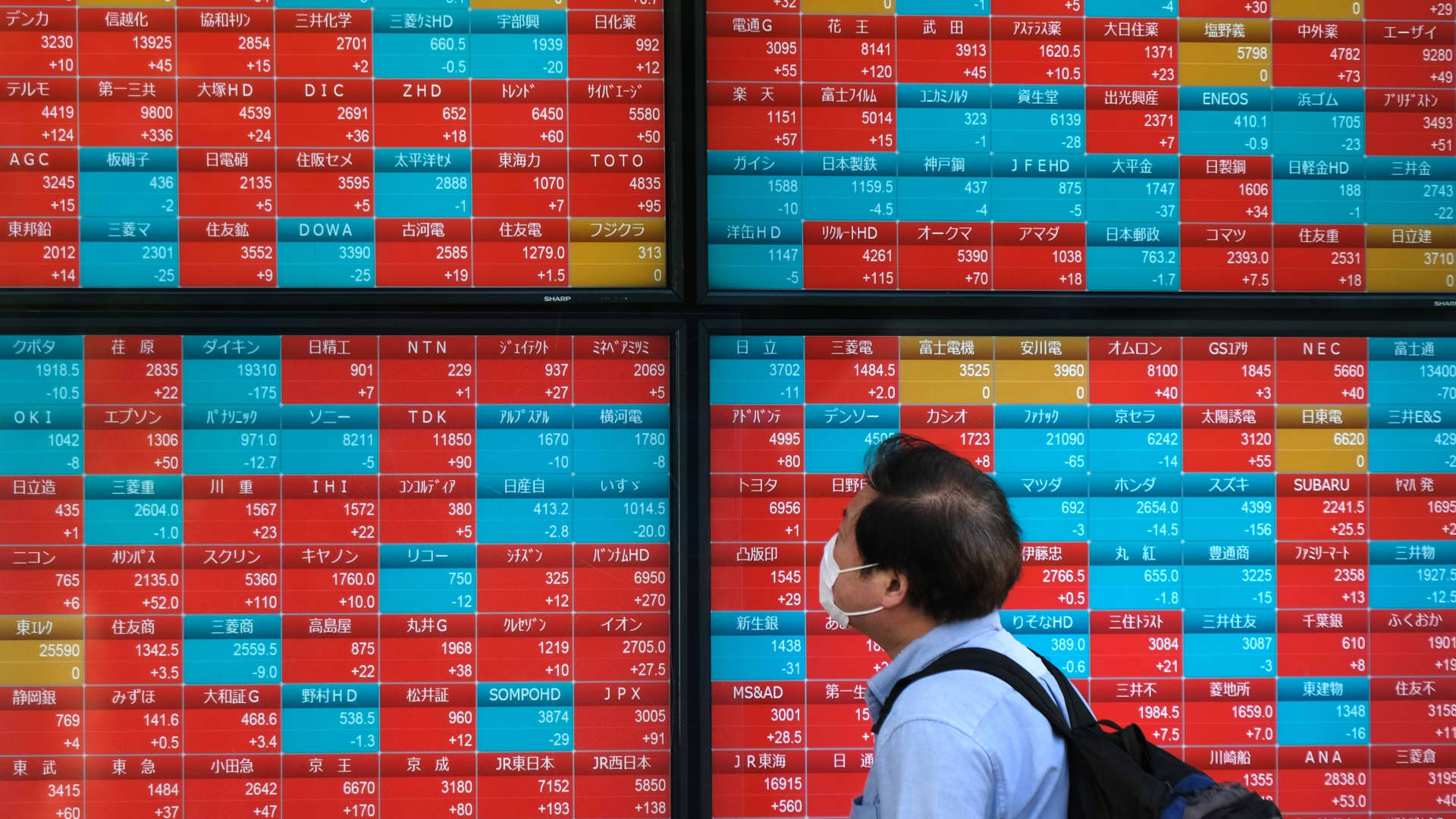
The Nikkei 225 index rose over 2% following the inflation data amid a broader rebound in Asian markets Tuesday. The yen was little changed following weeks of depreciation, last trading at 158.59 against the U.S. dollar.
The central bank has projected that year-on-year increase in consumer prices may fall below 2% in the first half of this year, due to government efforts to ease living costs and stabilize food prices. Prime Minister Sanae Takaichi had pledged to suspend an 8% food tax for two years during the election campaign.

Elevated food prices have been a central subject in political debates, as rising costs for daily necessities contributed to two major electoral setbacks for the ruling Liberal Democratic Party before Takaichi took office in October.
Inflation in rice prices eased further, slowing to 17.1% in February from 27.9% in the prior month.
Last week, the BOJ held its interest rate steady at 0.75% as expected while cautioning upside risks to inflation stemming from the war in the Middle East, which has sent energy prices soaring.
“The [Middle East] conflict is an unwelcome surprise,” said Stefan Angrick, head of Japan and frontier markets economics at Moody’s Analytics, as surging commodity prices push up inflation driven by a potential supply shock — “bad news for an energy and food importer such as Japan.”
While the impact to the economy may be limited if the Middle-East conflict ends relatively soon, a prolonged war may deal a heavier blow, Angrick said, who expects the BOJ to raise rates in June or July.
Japan’s economy expanded just 0.1% year-on-year in the fourth quarter last year, narrowly avoiding a technical recession and slowing from 0.6% growth in the third quarter.

