


Inflation accelerated further in May, with prices rising 8.6% from a year ago for the fastest increase since December 1981, the Bureau of Labor Statistics reported Friday.
The consumer price index, a wide-ranging measure of goods and services prices, increased even more than the 8.3% Dow Jones estimate. Excluding volatile food and energy prices, so-called core CPI was up 6%, slightly higher than the 5.9% estimate.
On a monthly basis, headline CPI was up 1% while core rose 0.6%, compared with respective estimates of 0.7% and 0.5%.
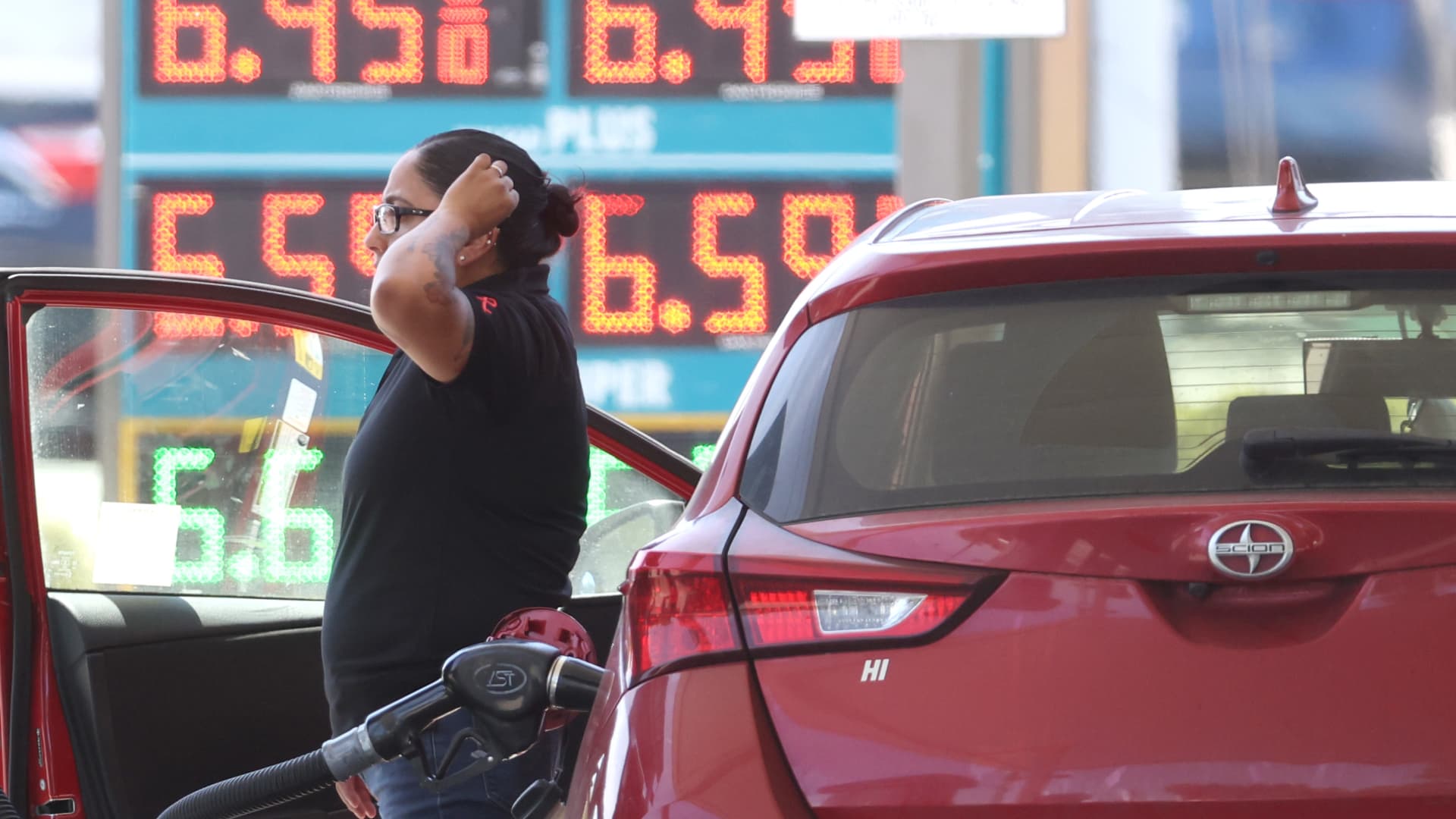
Surging shelter, gasoline and food prices all contributed to the increase.
Energy prices broadly rose 3.9% from a month ago, bringing the annual gain to 34.6%. Within the category, fuel oil posted a 16.9% monthly gain, pushing the 12-month surge to 106.7%.
Shelter costs, which account for about a one-third weighting in the CPI, rose 0.6% for the month, the fastest one-month gain since March 2004. The 5.5% 12-month gain is the most since February 1991.
Finally, food costs climbed another 1.2% in May, bringing the year-over-year gain to 10.1%.
Those escalating prices meant workers took another pay cut during the month. Real wages when accounting for inflation fell 0.6% in April, even though average hourly earnings rose 0.3%, according to a separate BLS release. On a 12-month basis, real average hourly earnings were down 3%.
Markets reacted negatively to the report, with stock futures indicating a sharply lower open on Wall Street and government bond yields rising.
“It’s hard to look at May’s inflation data and not be disappointed,” said Morning Consult’s chief economist, John Leer. “We’re just not yet seeing any signs that we’re in the clear.”
Some of the biggest increases came in airfares (up 12.6% on the month), used cars and trucks (1.8%), and dairy products (2.9%). The vehicle costs had been considered a bellwether of the inflation surge and had been falling for the past three months, so the increase is a potentially ominous sign, as used vehicle prices are now up 16.1% over the past year. New vehicle prices rose 1% in May.
Friday’s numbers dented hopes that inflation may have peaked and adds to fears that the U.S. economy is nearing a recession.
The inflation report comes with the Federal Reserve in the early stages of a rate-hiking campaign to slow growth and bring down prices. May’s report likely solidifies the likelihood of multiple 50 basis point interest rate increases ahead.
“Obviously, nothing is good in this report,” said Julian Brigden, president of MI2 Partners, a global macroeconomic research firm. “There is nothing in there that’s going to give the Fed any cheer. … I struggle to see how the Fed can back off.”
With 75 basis points of interest rate rises already under its belt, markets widely expect the Fed to continue tightening policy through the year and possibly into 2023. The central bank’s benchmark short-term borrowing rate is currently anchored around 0.75% -1% and is expected to rise to 2.75%-3% by the end of the year, according to CME Group estimates.
Inflation has been a political headache for the White House and President Joe Biden.
Administration officials pin most of the blame for the surge on supply chain issues related to the Covid pandemic, imbalances created by outsized demand for goods over services and the Russian attack on Ukraine.
In a recent Wall Street Journal op-ed, Biden said he will push for further improvements to supply chains and continue efforts to bring down the budget deficit.
However, he and Treasury Secretary Janet Yellen both have emphasized that much of the responsibility for lowering inflation belongs to the Fed. The administration has largely denied that the trillions of dollars directed toward Covid aid played a major role.
How much the central bank will have to raise rates remains to be seen. Former Treasury Secretary Larry Summers recently released a white paper with a team of other economists that suggests the Fed will need to go further than many are anticipating. The paper asserts that the current inflation predicament is closer to the 1980s situation than it appears because of differences in the ways that CPI is computed then and now.
Correction: Julian Brigden is president of MI2 Partners. An earlier version misspelled his name.
