


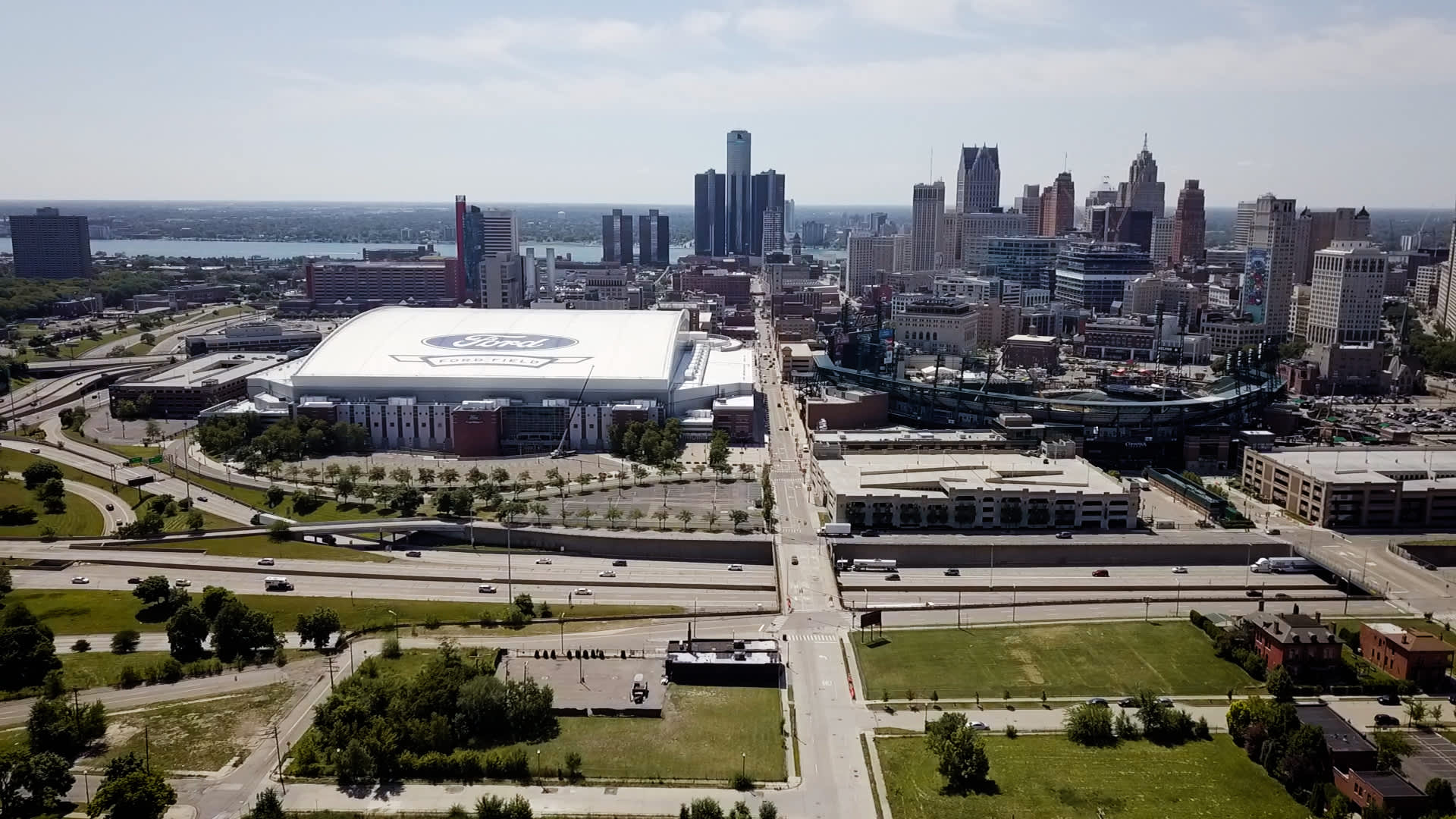
A new wave of development is rippling through downtown Detroit.
“Walking around Detroit in 2008 or 2009 is not the same as walking around in 2022,” said Ramy Habib, a local entrepreneur. “It is absolutely magnificent what happened throughout those 15 years.”
Between 2010 and 2019, just 708 new housing structures went up in the city of Detroit, according to the Southeast Michigan Council of Governments.
Much of the new construction traces back to the philanthropic wings of large local businesses. For example, Ford Motor is nearing completion of a 30-acre mixed-used development at Michigan Central Station. The station sat abandoned for years as the city fell into bankruptcy.
Detroit’s decline into insolvency formed amid 20th century globalization in the auto industry, according to economists. The city’s population fell from 1.8 million to 639,000 in the most recent but controversial count by the U.S. Census. “With the population leaving, with the infrastructure staying in place, it meant strains on the city. Cumulatively, they started to mount over time,” said Raymond Owens III, a former senior economist at the Federal Reserve Bank of Richmond.
The 2007-08 Great Recession left another round of scars on the city as scores of homes fell into foreclosure. The U.S. Treasury Department has since funded the removal of 15,000 blighted structures in the city. “A lot of Black people are leaving the city. So sometimes that identity can change and shift in certain communities,” said Alphonso Carlton Jr, a lifelong Detroit resident.
Local leaders have used tax and spending policies to advance economic development downtown. In July 2022, the Detroit City Council finalized a tax abatement for the real estate developer Bedrock to finance the $1.4 billion Hudson’s site project. The abatement could be worth up to $60 million over its 10-year span. Bedrock is in a family of companies controlled by billionaire investor Dan Gilbert, who moved several of his businesses downtown in 2010.
Bedrock told CNBC that decision was consistent with the council’s handling of other major developments, due to high local tax rates. One local analysis suggests that in 2020, Detroit’s effective property tax rate on homes was more than double the national average. Detroit’s new tax, spending and placemaking policies have drawn the interests of bond investors in recent years, providing another source of revenue for the local government.
Watch the video above to learn more about Detroit’s escape from bankruptcy.


