


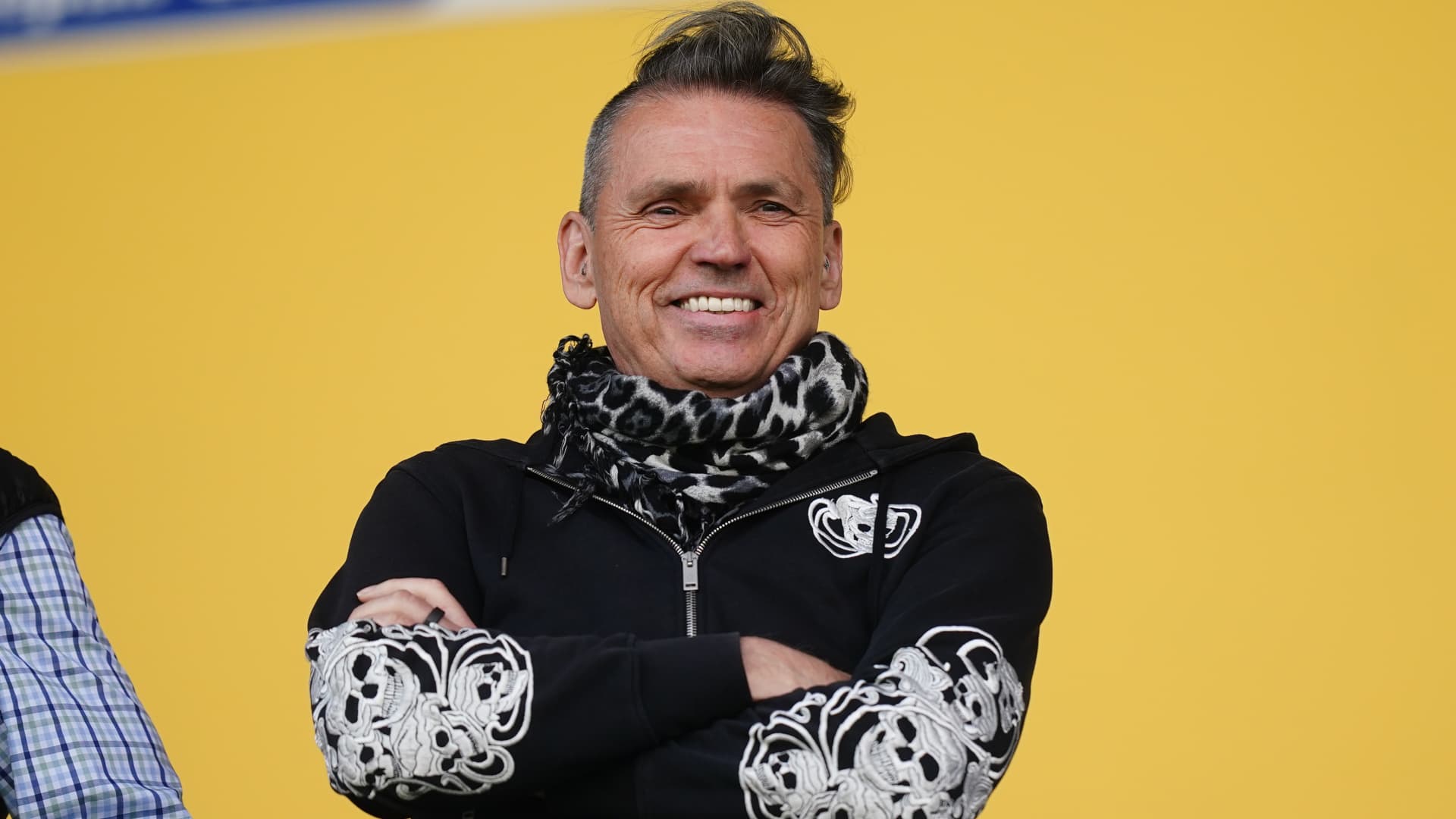
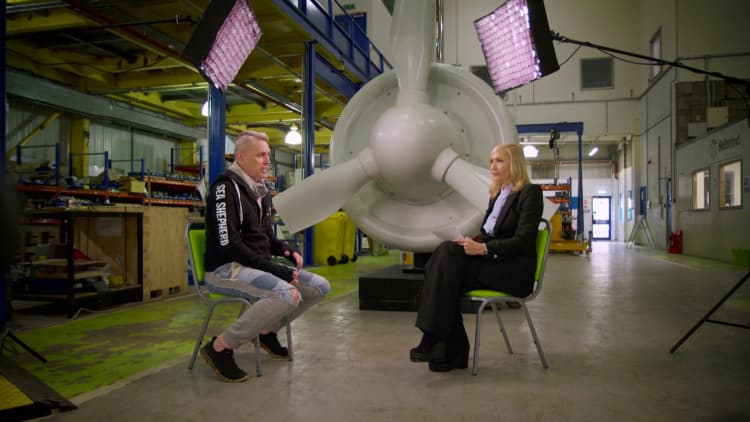
Greenwashing should be seen as a positive sign that companies are moving in the right direction, according to the founder of British energy firm Ecotricity.
“It’s everywhere,” Dale Vince told CNBC’s Tania Bryer. “But you know, I take it as a good thing. People say to me, ‘oh, there’s greenwashing, it’s a bad thing’.”
“And I say, do you know what, it’s not a bad thing because 10 years ago, these companies that are greenwashing today, didn’t care, right?”
“Now they care. They see that they have to do something and so they greenwash. I say that’s progress. I’ve seen it before and it’s not far from them greenwashing to then doing something real.”
Vince’s comments will undoubtedly raise eyebrows in some quarters.
The debate surrounding greenwashing has become increasingly fierce in recent years. The charge is often leveled at multinational companies with vast resources and significant carbon footprints.
It’s a term that environmental organization Greenpeace UK calls a “PR tactic that’s used to make a company or product appear environmentally friendly without meaningfully reducing its environmental impact.”
Founded by Vince in 1995, Ecotricity is headquartered in Gloucestershire, England, and calls itself “Britain’s greenest energy company.”
The firm says its electricity is “100% green” and describes its gas as being “a mix of carbon-neutralised natural gas and sustainable green gas.”
During his interview with CNBC, Vince — who is also the chairman of English soccer club Forest Green Rovers — spoke about the need to develop a variety of sources for a net-zero future.
“We have to get to a combination of wind, solar, I think tidal lagoons have a big role to play,” he said, before going on to also highlight the importance of battery storage.
“For gas … we can make that from grass, we’re building our first project right now that will plug into the grid in February.”
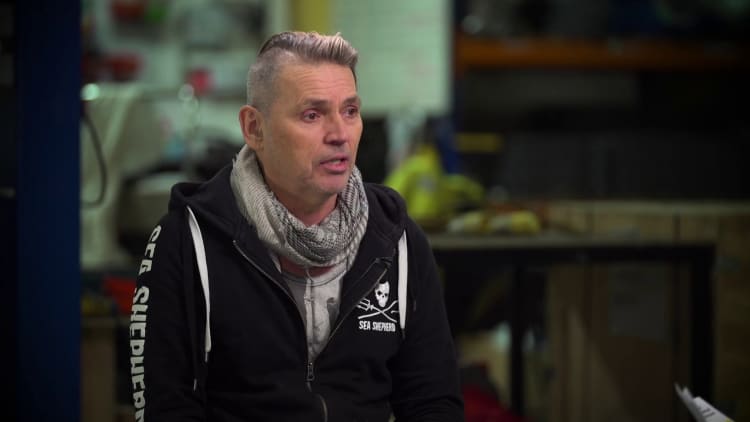
According to Ecotricity, its £11 million (around $13.5 million) “green gas mill” is to be “fed by herbal lays — a mix of grass and herbs, sown and grown on farmland next to the plant.”
The company adds that such facilities “do not require agricultural land and do not compete with food production.”
Vince also spoke about the need to act now to ensure a more sustainable future.
“I think we could be green energy independent in our country within about 10 years if we just got on with it,” he said.
“We have all of the means, it’s economic to do it. It’s actually less economic not to do it.”


