


CFOTO | Future Publishing | Getty Images
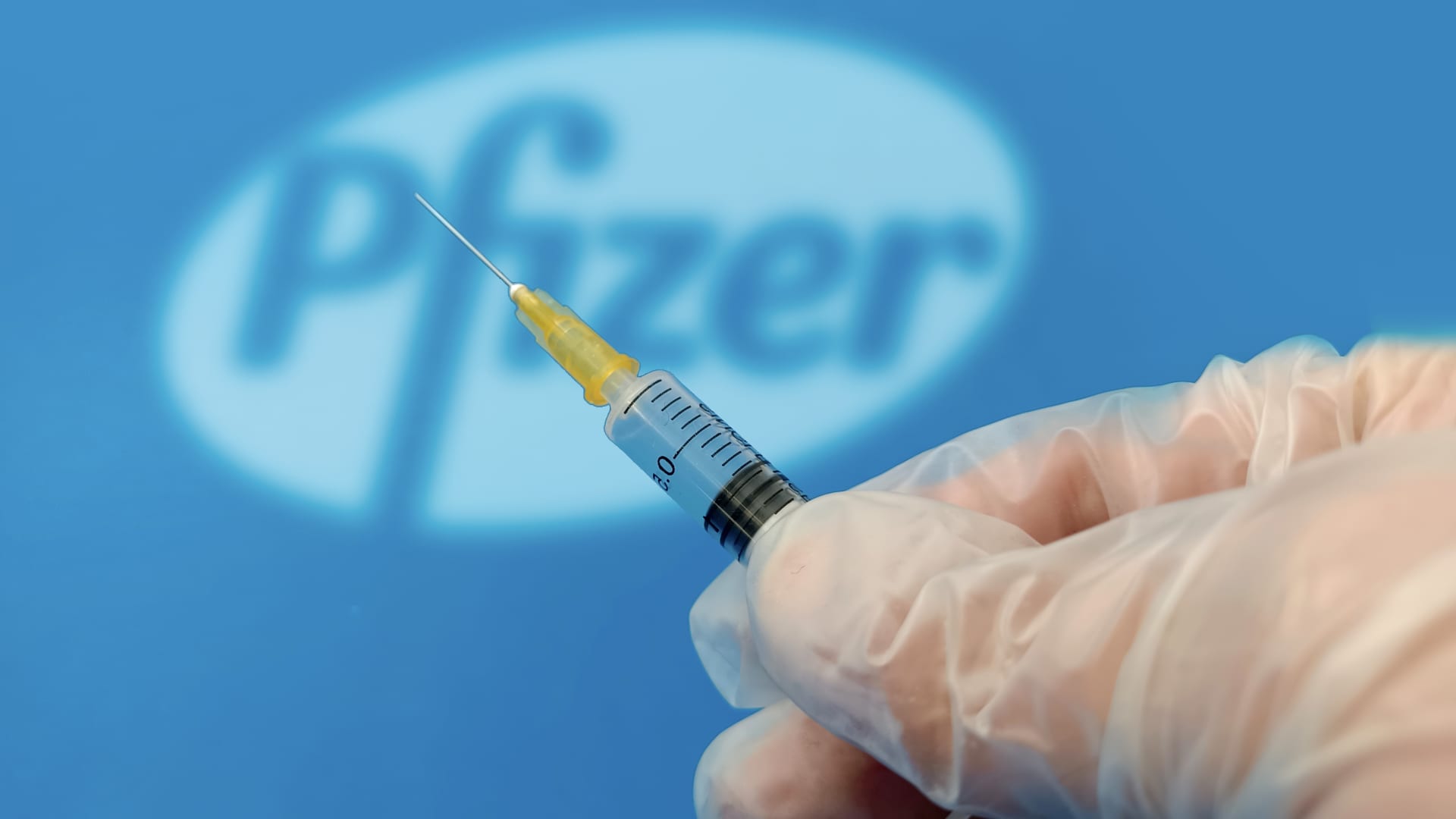
The Food and Drug Administration on Monday approved a vaccine from Pfizer that protects infants from respiratory syncytial virus, the leading cause of hospitalization among babies in the U.S.
Pfizer’s RSV shot is already approved and available in the U.S. for older adults.
It’s now the second treatment approved by the FDA to prevent RSV in infants and the first vaccine. It uses maternal immunization, which refers to vaccinating pregnant mothers so they can pass protective antibodies to their fetuses.
Pending a recommendation by the Centers for Disease Control and Prevention, Pfizer hopes the vaccine will be available to the public by the end of October or the beginning of November, which marks the beginning of RSV season, according to Alejandra Gurtman, the company’s senior vice president of clinical research and development for vaccines.
“When you think globally, this vaccine could potentially have a huge public health impact,” Gurtman told CNBC. “After 50 years of trying to find a way where we can protect babies during the first three or especially six months of life, this vaccine is something I’m very proud of.”
Dr. Peter Marks, the FDA’s vaccine head, added in a release that the approval provides another option for health care providers and pregnant individuals to “protect infants from this potentially life-threatening disease.”
The FDA in mid-July approved an RSV monoclonal antibody from Sanofi and AstraZeneca that is directly administered to infants. The CDC recommended that drug to all infants under eight months of age and some older babies.
The agency’s panel of advisors is expected to meet and consider a recommendation for Pfizer’s vaccine in October, but it’s unclear how it will compare to the guidelines set for the first treatment since it isn’t given to infants.
Pfizer’s jab is specifically administered to expectant mothers in the late second or third trimester of their pregnancy. The single-dose vaccine triggers antibodies that are passed to the fetus, which provides it with protection against RSV from birth through the first six months of life.
RSV usually causes mild, cold-like symptoms. But younger children and older adults are particularly vulnerable to more severe RSV infections.
Each year, the virus kills a few hundred children younger than 5, and 6,000 to 10,000 seniors, according to the CDC.
The shot would help the U.S. combat the upcoming RSV season as it comes off an unusually severe year.
Cases of the virus in children and older adults overwhelmed hospitals across the country, largely because the public stopped practicing Covid pandemic health measures that had helped contain the spread of RSV.
Safety and efficacy data
The FDA’s approval of Pfizer’s vaccine was based on data from a phase three trial, which found that the shot was nearly 82% effective at preventing severe disease from RSV in newborns during the first 90 days of life.
The vaccine was also about 70% effective during the first six months of the baby’s life.
In May, the FDA’s panel of advisors unanimously said the data showed Pfizer’s vaccine was effective.
Respiratory syncytial virus – viral vaccine under research
Hailshadow | Istock | Getty Images
But some advisors expressed concerns about safety.
A slightly higher number of premature births occurred among mothers who took the shot compared to those who received a placebo: 5.7% versus 4.7%, respectively.
The FDA, following the approval Monday, said the available data “are insufficient to establish or exclude a causal relationship between preterm birth” and Pfizer’s vaccine.
Pfizer’s Gurtman also said the difference in premature birth rates was “not statistically significant.”
She noted that most premature births occurred 30 days after vaccination, which means “a very close causal relationship between the vaccine and preterm birth couldn’t be identified.”
“We couldn’t find any reason why this really happened,” Gurtman said.
She added that some upper middle-income countries, including the U.S. and Japan, didn’t see a higher rate of premature births in mothers who took the vaccine.
Still, Gurtman said Pfizer is going to examine the risks in a post-marketing study on the vaccine. “Post-marketing” refers to research conducted on a product after it receives FDA approval.
The company’s post-marketing will also involve evaluating any pregnancy-related complications following vaccination, she added. That includes eclampsia, which refers to seizures that develop during pregnancy or shortly after birth.
Pfizer will launch a pregnancy registry that will allow women and obstetricians to call and report any adverse events after receiving the vaccine, according to Gurtman.
