


Federal Reserve officials have expended the past 7 days indicating fee hikes will carry on in purchase to provide down increasing price ranges — but this challenges intensifying inflationary pressures, in accordance to a Nobel Prize-winning economist.
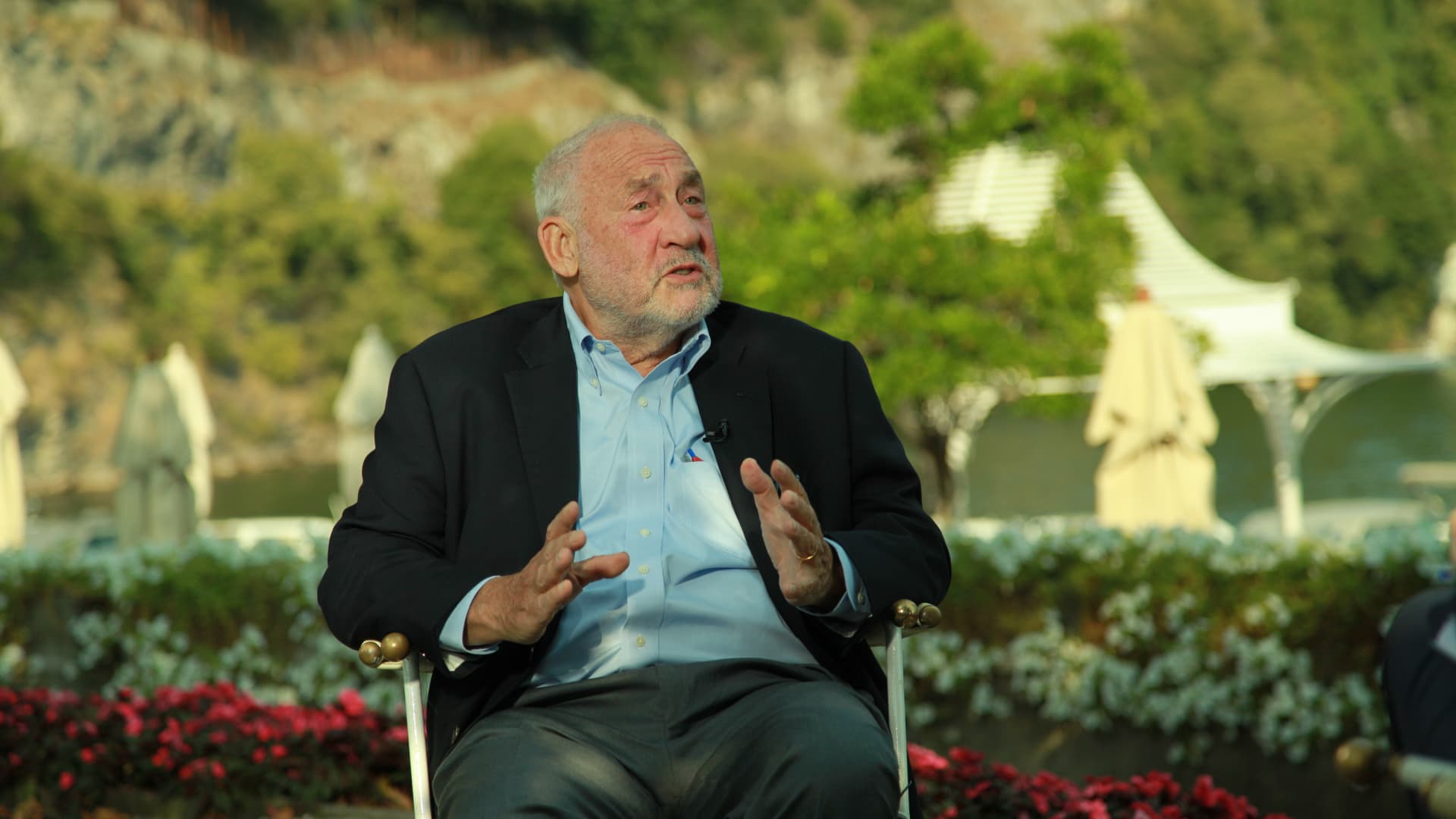
“The true stress in my brain is, will they raise fascination charges too higher, way too rapid, too considerably?” Joseph Stiglitz advised CNBC’s Steve Sedgwick Friday at the Ambrosetti Discussion board in Italy.
The Columbia College professor, creator of “The Price of Inequality” and “Globalization and Its Discontents,” mentioned that while there did need to have to be an adjustment from the zero or around-zero interest level coverage that has prevailed because 2008, there were being three reasons an intense Fed training course could stoke inflation.
The initial is that the frustrating supply of inflation, by Stiglitz’s evaluation, is supply-side disruptions leading to larger price ranges in oil and meals, even resulting in a scarcity of little one system.
“Will raising desire costs direct to additional oil, decreased selling prices of oil, far more foodstuff, lower charges of meals? Answer is plainly not. In reality, the true chance is it will make it even worse,” he instructed CNBC at the financial meeting held on the shores of Lake Como.
“Why? Due to the fact what we need to do is to make investments to relieve some of these source-side bottlenecks that are resulting in these types of havoc on our economy. It’s going to make it far more difficult.”
The second purpose, Stiglitz mentioned, was evidenced by the fact that margins for important firms have been mounting together with their enter costs.
“They’ve not only been passing on the expense but passing it on even extra. There is certainly a well-outlined concept that points out that when curiosity charges go up, corporations … get additional edge of increasing prices right now.”
“So raising desire charges in non-aggressive markets may perhaps guide to even additional inflation,” he said.
Eventually, he continued, there is the possible for growing prices in an essential element of inflation: housing.
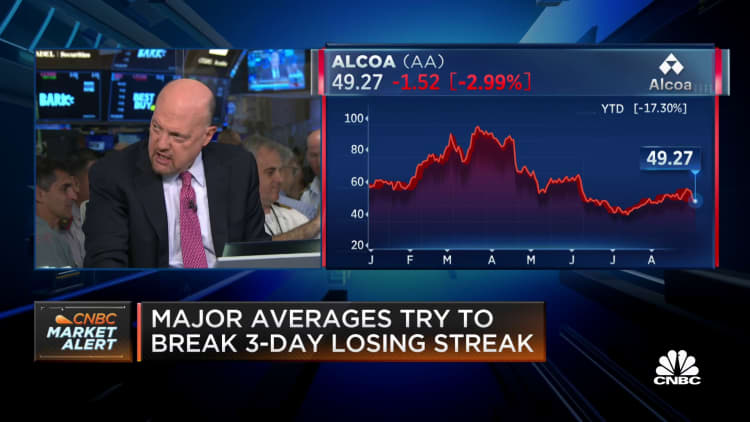
“You raise fascination fees, it receives mirrored in rents, and you will find a Federal Reserve analyze showing that,” he claimed.
The Federal Reserve raised its benchmark charge by .75 percentage points in each June and July.
In a speech on Aug. 26, Fed Chair Jerome Powell stated that whilst higher fees, slower growth and softer labor industry conditions would provide down inflation, that would also mean “some discomfort” for homes and businesses.
Stiglitz had further problems about the U.S. economy’s effect on citizens.
Just one was that desire rates will carry on to be elevated quicker than property selling prices tumble — “rates are remaining substantial, they are not going to arrive down as fast as desire charges are heading up and that’s going to maximize the intergenerational divide in our culture,” he mentioned.
An additional was that recent U.S. task marketplace information, which on Friday confirmed nonfarm payrolls rose by 315,000 in August even with slowing financial progress, does not suggest as significantly energy as some have suggested.
“One particular indicator that they are not truly capturing is what is going on with true wages, which typically go up when labor markets are restricted,” he said.
Real wages refers to wages modified for inflation.
“Labor markets are quite limited, charges of goods are heading up, that ought to signify you compensate employees even much more but which is not occurring,” Stiglitz mentioned.
“True wages are going down, so that at the very least should make you fret,” he included.