


Witthaya Prasongsin | Moment | Getty Images
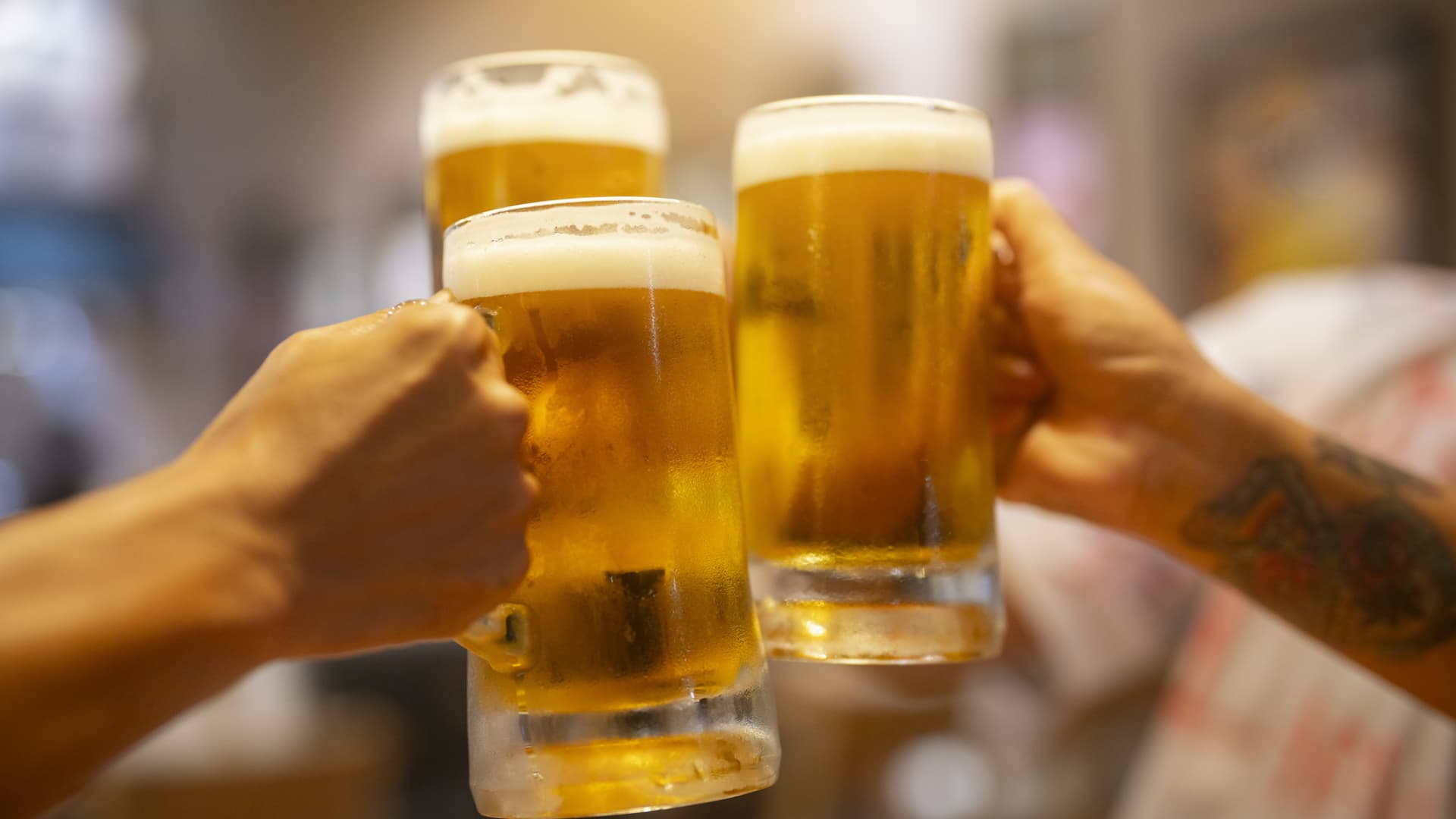
Beer is taking up less of the American booze market as beverage companies flood the market with buzzy new drink categories, including ready-to-drink cocktails.
Even legacy beer companies have expanded outside of their staple beer products with innovations for spirits drinkers.
Anheuser-Busch InBev, the world’s largest brewer, has diversified its portfolio to include hard seltzers, canned wine and canned cocktails. Molson Coors dropped the “Brewing Co” from its name in 2019 to reflect a similar expansion into spirits.
This week, Samuel Adams maker Boston Beer debuted Loma Vista Tequila Soda, a ready-to-drink tequila cocktail in both lime and mango flavors. The lineup is launching in a handful of markets, including Austin, Texas; Fort Collins, Colorado; Wichita, Kansas; and Kansas City.
Boston Beer said its tequila cocktails sit at the crux of “the explosive growth of the RTD beverage segment” and “the rise in popularity of tequila.” DISCUS said the top five spirits by revenue growth in 2021 were vodka (4.9%), tequila/mezcal (30.1%), American whiskey (6.7%), Brandy & Cognac (13.1%) and cordials (15.2%).
Last year was the 12th consecutive year spirits have taken away market share from beer in the total U.S. alcoholic beverage market, according to a report earlier this year from the Distilled Spirits Council, a national trade organization.
The beer category, which includes hard seltzer, accounted for 42% of the U.S. beverage alcohol market in 2021, while spirits accounted for 41%, according to DISCUS. Wine accounted for 16%. At this trajectory, spirits are pegged to overtake beer in market share in the next few years, even though beer sales have grown.
“Spirits consumers are willing to spend a little extra for a fine spirit because they are choosing to drink better, not more,” DISCUS’ top spokeswoman, Lisa Hawkins, told CNBC this week.
The downward trend of beer market share has also been reflected on the online ordering and alcohol delivery platform Drizly. Over the past 12 months, beer has accounted for a 14% share, a two percentage point drop from the previous 12 months, according to Liz Paquette, head of consumer insights at Drizly. Spirits accounted for a 45% share, increasing by one percentage point.
“The beer share decline in recent years on Drizly is mostly a result of share shift toward the spirit category, driven by the surge in categories, like tequila and ready-to-drink cocktails,” said Paquette.
Paquette added that beer actually accounts for 11% when hard seltzers aren’t included.
The Boston Beer Company Introduces First Tequila-Based RTD Beverage, Loma Vista Tequila Soda.
Boston Beer Company
However, while beer is shrinking in market size, sales are actually up. Wall Street, in turn, likes liquor companies such as Constellation that make premium, higher-priced beer.
“There’s pockets of growth,” said Bart Watson, chief economist for the Brewers Association. He said beer drinkers are seeking out more premium offerings as well. In 2021, overall beer sales were up 1% year over year – hitting $100.2 billion – and sales of craft beer jumped 8%, according to the association.
Craft beer, said Watson, may be the industry’s answer to consumers’ increased willingness to spend more on variety, flavor and quality. Craft beer is typically made with higher quality ingredients, which provides consumers with a more flavorful and distinctive tasting beer than mass-produced options.
“Those reaching for craft often want a variety of flavors and to try new things,” said Watson, adding that craft brews “really helped beer not lose more market share over the last decade.”
The association said the number of operating craft breweries in the U.S. reached an all-time high in 2021 of 9,118.
Paquette of Drizy said there are trend changes happening within the beer category – subcategories like light lagers, which contain a low alcohol volumes, and even non-alcoholic beer are showing growth across Drizly, as well.
Still, it looks like cocktail culture is primed to be dominant in the United States.
“Consumers are drawn to products that have a rich heritage and an interesting back story, and that’s what spirits have to offer,” said Hawkins of DISCUS.


