


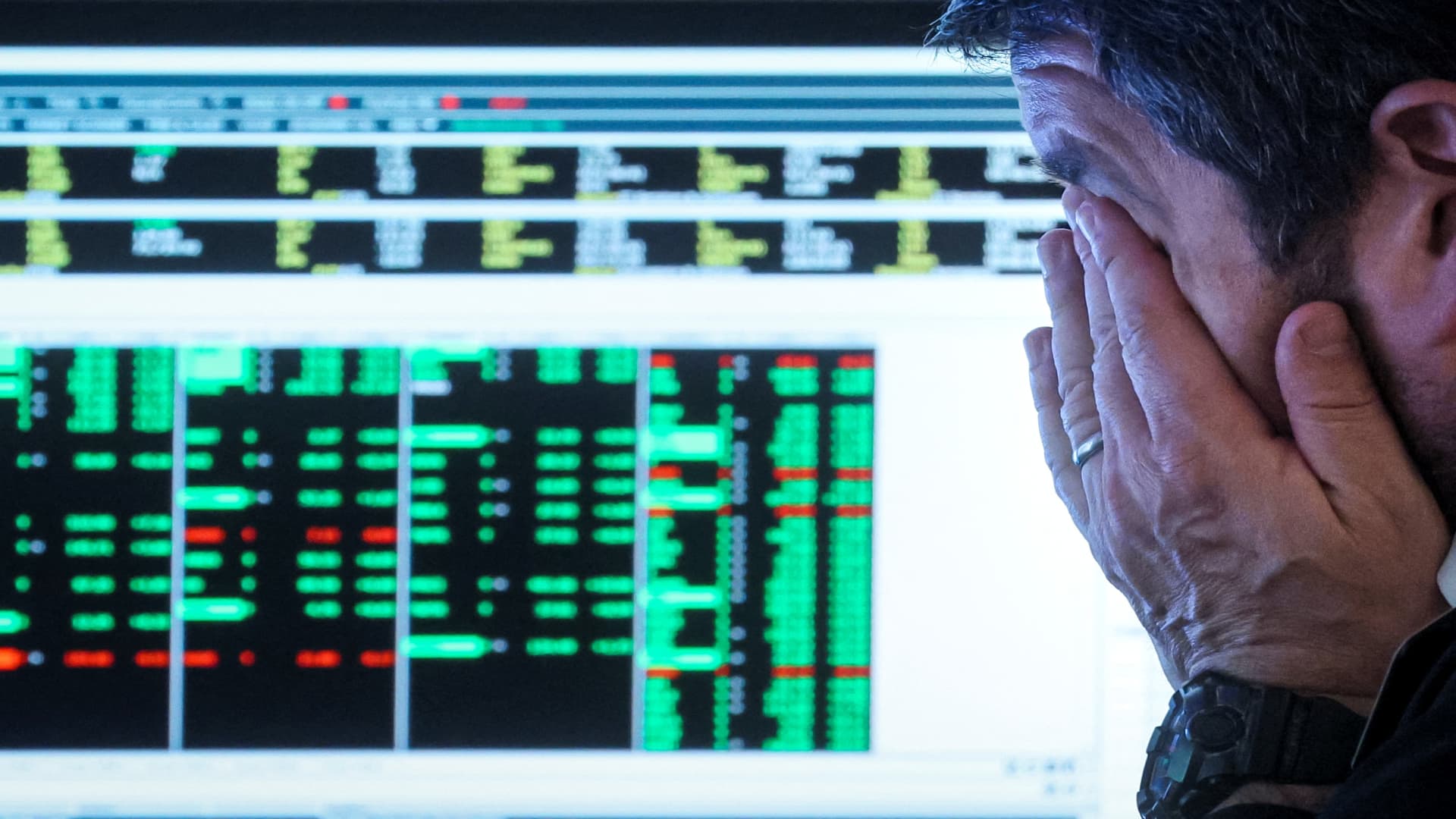
Markets have been on a wild ride recently, swinging between gains and losses. However, the brutal selling has meant the S&P 500 is still in a bear market.
When asked whether markets have hit a bottom, Wall Street veteran Ed Yardeni said he doesn’t think “we’re gonna climb out of this thing very quickly, not in a fundamental sense.”
“I think investors have learned this year — ‘don’t fight the Fed,'” he told CNBC’s “Street Signs Asia” on Monday. The mantra refers to the idea that investors should align their investments with, rather than against, the U.S. Federal Reserve’s monetary policies.
What changed dramatically this year is ‘don’t fight the Fed’ now means don’t fight the Fed when it’s fighting inflation.
Ed Yardeni
president, Yardeni Research
“For many years, the idea of don’t fight the Fed was if the Fed was going to be easy [on monetary policy.] You want to be long equities,” said Yardeni, president of consultancy Yardeni Research. “But what changed dramatically this year is ‘don’t fight the Fed’ now means don’t fight the Fed when it’s fighting inflation. And that means that that’s not a good environment for equities on a short-term basis.”
‘Too late to panic’
With inflation soaring to new highs this year, the Fed raised interest rates by 75 basis points last week — its biggest since 1994 — and signaled continued tightening ahead. Fed Chair Jerome Powell said another hike of 50 or 75 basis points at the next meeting in July is likely.
However, the economy now faces the risk of stagflation as economic growth tails off and prices continue to rise.
Wall Street has tumbled in response to the Fed’s tightening and rapidly rising inflation. The S&P 500 last week posted its 10th down week in the last 11, and is now well into a bear market. On Thursday, all 11 of its sectors closed more than 10% below their recent highs. The Dow Jones Industrial Average fell below 30,000 for the first time since January 2021 this past week.
Yardeni said it “isn’t going to be over” till there are definitive signs that inflation, brought on by soaring food and energy prices, has peaked. Market watchers have also blamed rising prices on the Fed’s fiscal overstimulation of the economy amid the Covid-19 pandemic.
“We’ve got to see a peak in inflation before the market will be substantially higher,” he said, adding that point could come next year.
Still, Yardeni believes that markets “are kind of at an exhaustion stage” in the selling.
“At this point, it’s a little too late to panic. I think long-term investors are going to find that there’s some great opportunities here,” he told CNBC.
A recession that will ‘hurt the rich’
Rumblings of the possibility of a recession have been getting louder, as doubts surface about the Fed’s ability to achieve a soft landing. A bear market often portends — but doesn’t cause — a recession.
“This will be the first recession that hurts the rich probably for a pretty long while, more than it hurts the ordinary person on the street,” said Mark Jolley, global strategist at CCB International Securities.
“If you look at what’s happened to bond and equity prices and look at the combined decline in bond and equity prices, we are on track to have the worst year already of wealth destruction since 1938,” he told CNBC’s “Squawk Box Asia” on Monday.
As interest rates go higher, the value of people’s assets bought with borrowed money will fall, Jolley said, suggesting that mortgages are at risk.
“Anything in the economy that is leveraged and long, which is basically private equity, your collateral has gone down 20%,” he said. “Imagine what would happen to the banking system in any economy if your house prices fell by 20%.”
