



Vehicles awaiting shipment are parked at a port on March 27, 2025 in Yokohama, Japan. U.S.
Tomohiro Ohsumi | Getty Images
Asian auto stocks fell for a second straight day as investors fretted over U.S. President Donald Trump’s tariffs on cars and certain automobile parts not made in the country.
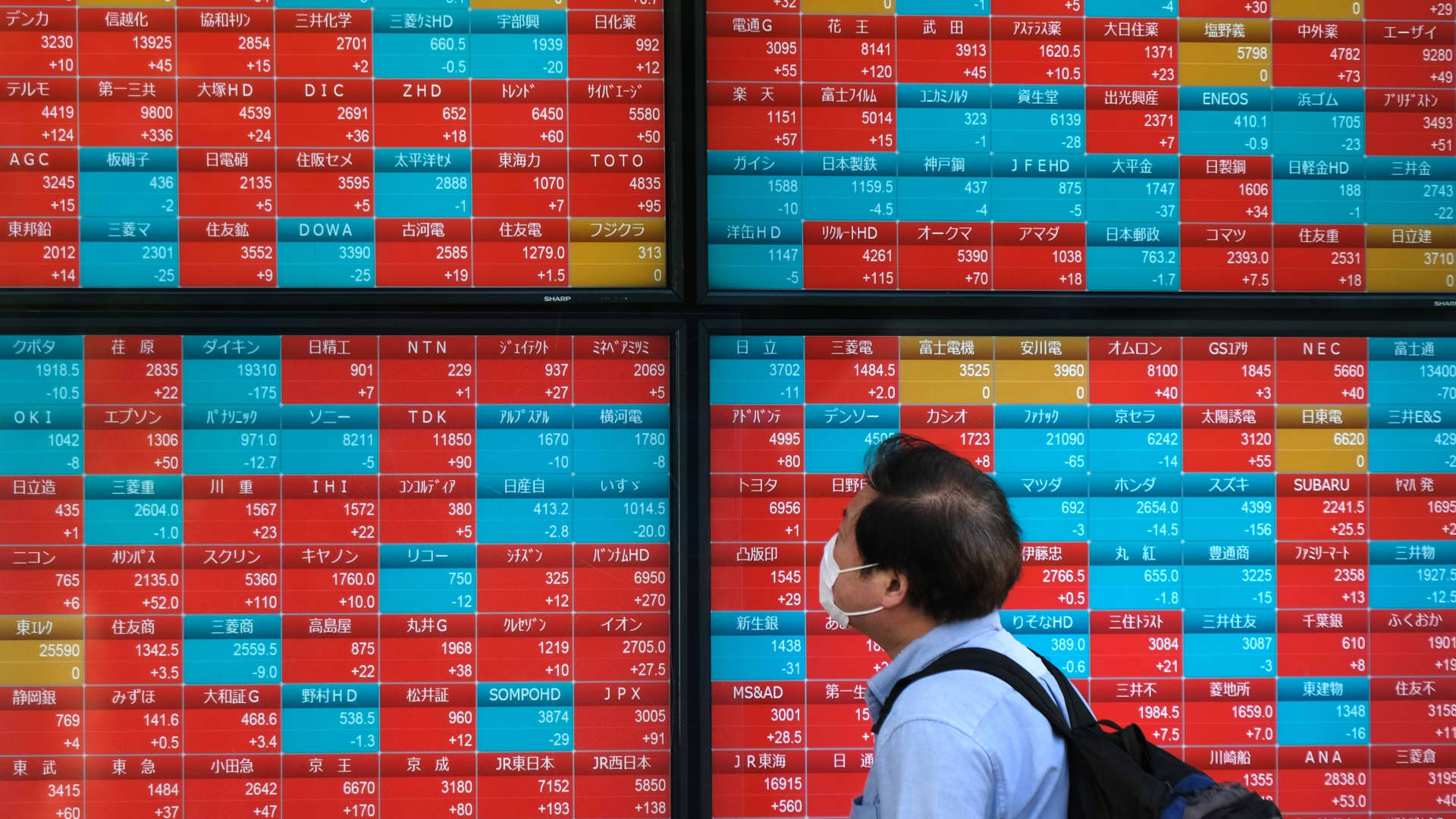
Japanese automakers Toyota and Honda fell 4.29% and 4.24%, respectively, Friday. Nissan, which has three plants in Mexico, declined 1.63%. Mazda Motor lost 3.99% while Mitsubishi Motor fell 1.27%.
South Korea’s Kia Motors, which has a manufacturing plant in Mexico, traded 2.66% lower, while Hyundai Motor fell 3.53%.
Shares of some Chinese automakers also fell, with electric-vehicle maker Nio’s shares dropping 7.83% in Hong Kong. Xpeng and Li Auto slipped 0.57% and 0.78%, respectively.
The new tariffs will take effect on April 2, and will target imported passenger vehicles and light trucks, as well as key automobile parts including engines and transmissions, the White House said.
According to analysts, these tariffs are expected to raise prices for U.S. buyers of both foreign and locally made vehicles by thousands of dollars.
Goldman Sachs believes that prices on imported cars could rise by $5,000 to $15,000. Locally made automobiles could also see costs jump up by up to $8,000, the investment bank’s analyst Mark Delaney said.
More than 90% of U.S. motor vehicle imports come from its five trading partners: the European Union, Canada, Mexico, South Korea and Japan, according to ANZ.
With the EU, Canada and a few other trading partners expressing their intention to retaliate, concerns about a “protracted trade war” appear to have escalated, said ANZ analysts.
Trump has threatened to impose “far larger” tariffs on Canada and the EU if they joined hands to combat U.S. trade tariffs.
The challenge of implementing the tariffs also lies in developing a process to apply the duties to auto parts, political consultancy Eurasia Group said in a note.
“Importers of automobiles under the United States-Mexico-Canada Agreement will be given the opportunity to certify their U.S. content and systems will be implemented such that the 25% tariff will only apply to the value of their non-U.S. content,” according to the White House statement.
“Notably, the 25% tariff won’t apply to USMCA-eligible auto parts until the Commerce Secretary, in consultation with CBP, establishes a method to tariff only the non-US content of these parts,” according to Eurasia Group.
—CNBC’s Kevin Breuninger contributed to this report.