

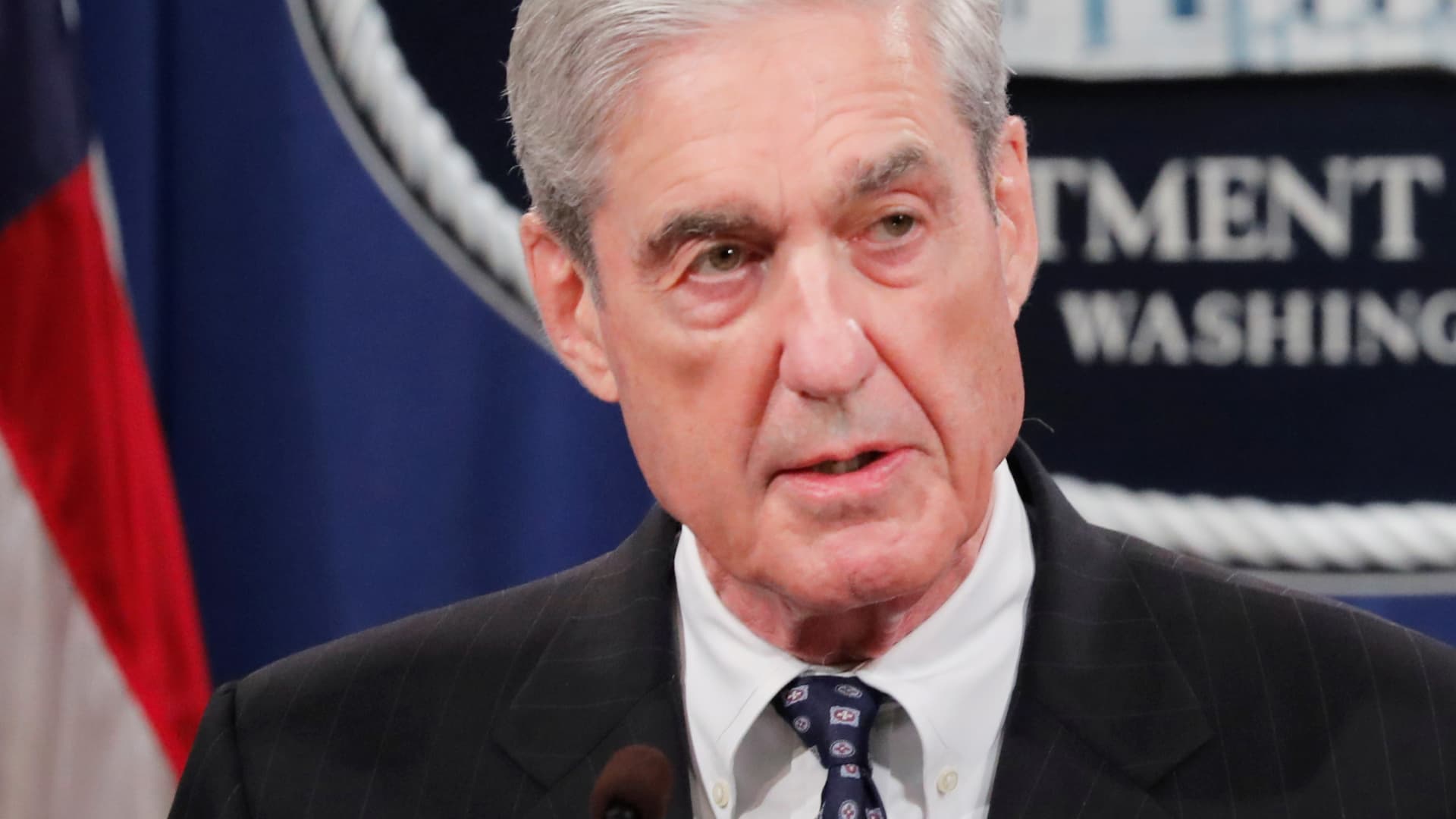


Federal Trade Commission Chair Lina Khan testifies during a hearing of the House Appropriations Subcommittee on Financial Services and General Government, May 15, 2024.
Tom Williams | CQ-Roll Call, Inc. | Getty Images
The Federal Trade Commission on Wednesday voted unanimously to ban marketers from using fake reviews, such as those generated with AI technology, and other misleading practices to promote their products and services.
All five FTC commissioners voted to adopt the final rule, which will go into effect 60 days after it is published in the Federal Register, the government’s official catalog of rules and notices.
Typically, rules are published within days of their adoption, meaning that consumers can expect to see the FTC’s fake-review ban go into effect starting in mid-October.
“Fake reviews not only waste people’s time and money, but also pollute the marketplace and divert business away from honest competitors,” FTC Chair Lina Khan said in a statement.
Along with prohibiting reviews written by nonhumans, the FTC’s rule also forbids companies from paying for either positive or negative reviews to falsely boost or denigrate a product. It also forbids marketers from exaggerating their own influence by, for example, paying for bots to inflate their follower count.
Violations of the rule could result in fines being issued for each violation, according to the rule. This means that for an e-commerce site with hundreds of thousands of reviews, penalties for fake or manipulated reviews could quickly add up.
With the rise of e-commerce, influencer marketing and generative AI, more advertisers are turning to automated chatbots such as ChatGPT to quickly generate user reviews for products sold online.
The result: Consumers sometimes end up purchasing items based on false praise or misleading promises.
Fake reviews are already illegal, and some e-commerce companies have tried to push back on the deceptive marketing practice themselves.
Amazon, for example, sued more than 10,000 Facebook group administrators in July 2022 for allegedly brokering fake reviews.
Amazon did not immediately respond to CNBC’s request for comment on the FTC’s new rule.
Under the new rule, companies that might have policed themselves in the past will now be subject to stricter government oversight.
Rather than prosecuting individual cases through the Department of Justice, this rule will streamline and strengthen the FTC’s ability to enforce the ban in house.
The announcement came the same day as the White House’s first “Creator Economy Conference,” during which Biden administration officials hosted 100 online influencers and digital content professionals to listen to concerns about the industry.

