




Fotostorm | E+ | Getty Images
For a rising share of car owners, monthly auto loan payments appear to be evolving into a problem.
While borrowers who are behind on their payments by more than 60 days represent a tiny portion of all outstanding auto loans — 1.84% — their ranks are growing, according to a recent report from Cox Automotive. The share was 26.7% higher in December than the year-earlier month and is largely concentrated among borrowers with low credit scores.
“The danger of struggling to pay an auto loan is not just risking your car getting repossessed, it’s the long-term impact on all of the other areas of your finances,” said certified financial planner Angela Dorsey, founder of Dorsey Wealth Management in Torrance, California.
High prices, interest rates have led to bigger payments
A combination of market factors have pushed up monthly loan payments. And as personal savings have dwindled and persistent inflation has squeezed household budgets, keeping up with payments may become even more challenging.
The average price paid for a new car reached a record $47,362 in December, according to an estimate from J.D. Power and LMC Automotive.
Monthly payments in the fourth quarter averaged $717, compared with $659 a year earlier, according to Edmunds. The share of buyers who took on monthly payments of $1,000 or more reached 15.7%, compared with 10.5% a year earlier. In the fourth quarter of 2020, just 6% of borrowers had monthly auto payments that large.
More from Personal Finance:
How to protect yourself from tax fraud and scams
What the Fed’s interest rate hike means for you
States are holding $70 billion in unclaimed assets
Rising interest rates also have affected affordability. The average rate paid on a new car loan was 6.5% at the end of 2022, Edmunds data shows. For used cars, the average was 10%. A year earlier, those rates were 4.1% and 7.4%, respectively.
Loan delinquencies can harm your credit score
While the auto loan delinquency rate is edging higher, the default rate is not, according to Cox. Entering default — when your lender determines you are not going to pay, usually some time after 90 days of no payments — can translate into your car being repossessed.
Yet even being too late on one payment has a negative effect on your financial life, and it can be long-lasting.
“If you’re 30 days late, it impacts your credit score,” said Brian Moody, executive editor of Kelley Blue Book.
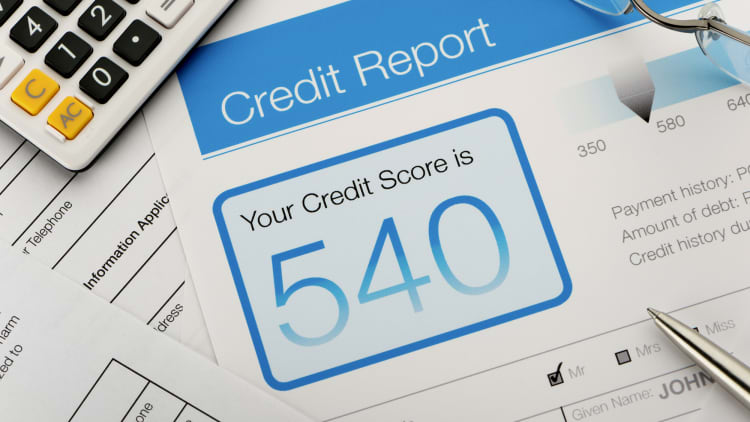
That’s when lenders typically report the late payment to credit-reporting firms Equifax, Experian and TransUnion.
Also, you should be aware that because your payment history is the most influential factor in your credit score — it typically accounts for 35% of it — you could see a drop of 100 points due to being 30 days late with a payment, according to NerdWallet. The longer the loan goes unpaid, the bigger the hit to your score, and that delinquency can remain on your credit report for up to seven years.
As consumers generally know, the lower your score, the more likely you are to pay higher interest rates on new loans or credit you get. Additionally, a poor score or poor credit history may cause you to pay higher premiums on auto or homeowner’s insurance and affect your ability to rent an apartment or even get a job. Employers can’t see your score, but they can check your report.
What to do if you’re struggling with auto loan bills
For car owners who are pretty sure they’re heading toward delinquency, it’s important to try preventing the problem from snowballing.
“If you sense this is coming, be on top of it,” Moody said. “Don’t do nothing. It won’t get better on its own.”
If you’re struggling to keep up because you don’t budget well, that’s at least potentially fixable, experts say. In that case, take a hard look at how you’re spending money.
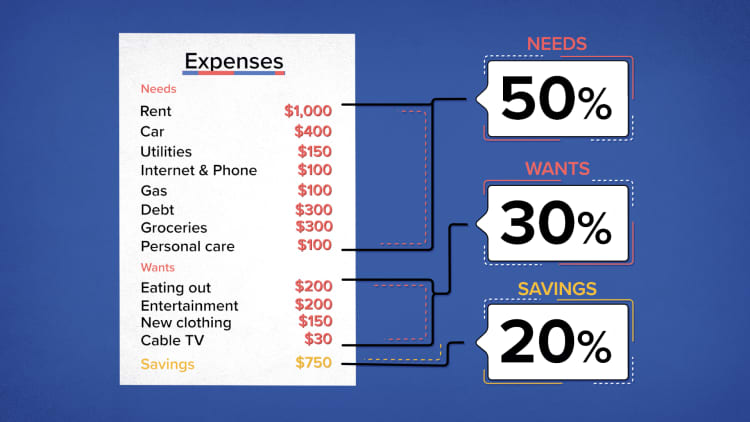
“Take a look at your overall expenses for the last few months,” said Joe Pendergast, vice president of consumer lending for Navy Federal Credit Union. “You would be amazed how much the average person spends each month without realizing it.”
However, if the payments are simply not manageable, the first thing you should do is bring your lender into the loop.
“If a consumer is struggling to make their car payments, or anticipates challenges ahead, they should reach out to their financial institution as soon as possible,” Pendergast said.
The sooner your bank or credit union is made aware, the easier it is to come up with possible solutions.
Joe Pendergast
Vice president of consumer lending for Navy Federal Credit Union
“The sooner your bank or credit union is made aware, the easier it is to come up with possible solutions,” he said.
While the options vary from lender to lender, you may be able to get a deferment — i.e., a few months without a payment — or a new loan that lowers the payments by stretching out the length. Either way, be aware that this generally would lead to paying more in interest, noted Moody of Kelley Blue Book.
However, a deferment would at least give you time to figure out how to best manage your situation, he said.
For example, you could sell your car with the intent of buying a lower-priced one — or, perhaps, even going without one if you have other transportation options. Just be aware that depending on how much you owe on the loan, the price you get for your car may not fully cover your balance, which would mean you’d still owe the lender money.
There may be a similar value gap if you opt to trade it in. While trade-in amounts have been relatively high due to used-car values being elevated, that is changing. The latest inflation reading showed a year-over-year drop of 8.8% in used car prices.
And if the amount a dealer is willing to give you is less than what you owe on the loan, you will either need to pay off the remaining balance or roll it into your new loan. This so-called negative equity averaged $5,341 in the last quarter of 2022, Edmunds data shows.
“None of these [options] are ideal,” Moody said. “They are all under the heading ‘better than nothing.'”


