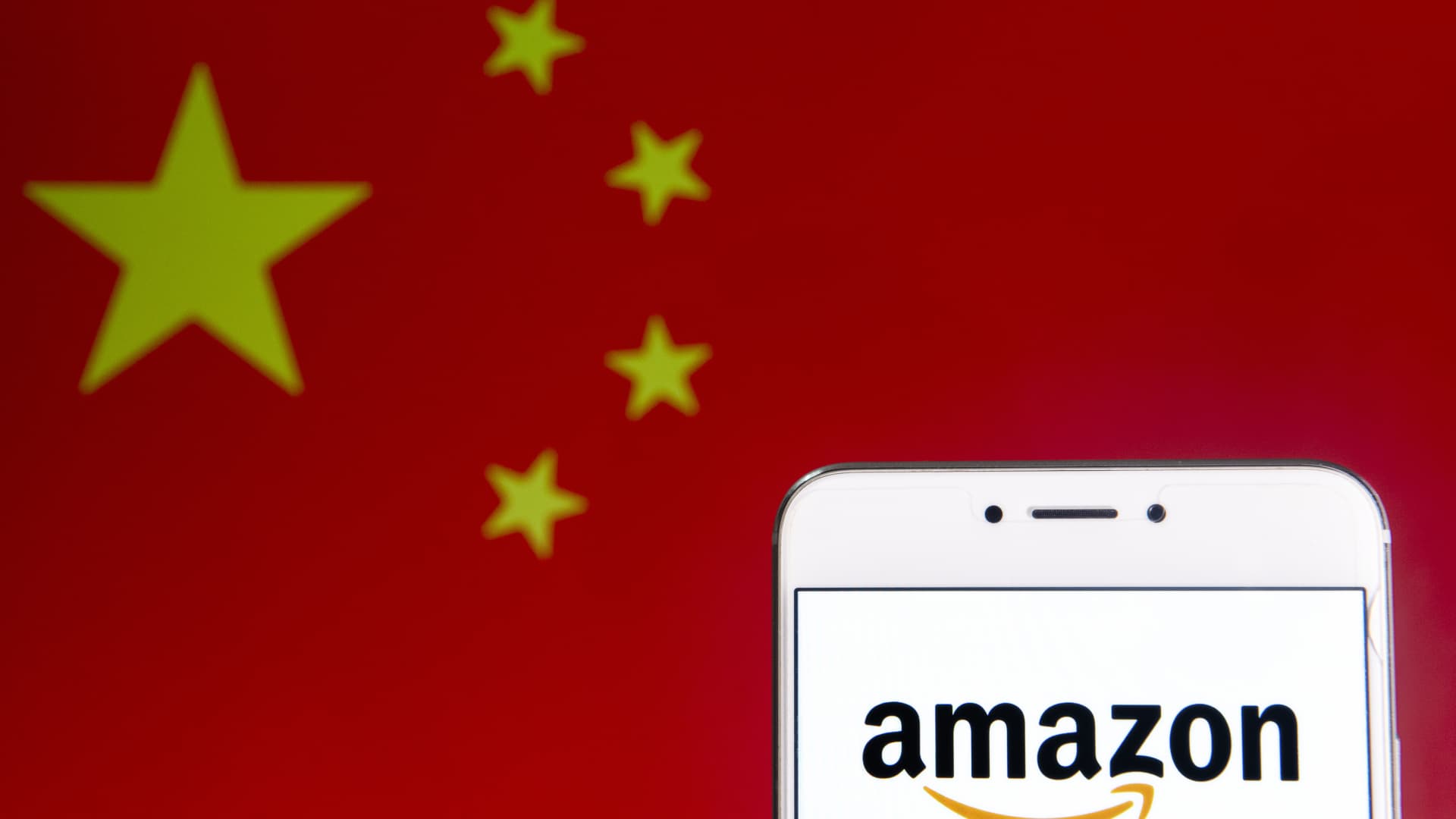
Why Amazon Marketplace didn’t survive in China

Why Amazon Marketplace didn’t survive in China


China’s e-commerce market was valued at $2 trillion in 2022, according to GlobalData, and the country also has a rapidly growing middle class, making it an attractive market for American companies.

Amazon entered the China market in 2004 through a $75 million acquisition of Joyo.com, an online book and media seller. The joint venture rebranded to Amazon China at the domain Amazon.cn in 2011.

E-commerce giants Alibaba Group and JD.com, which both own and operate some of the largest and most trusted business-to-consumer e-commerce sites in the country, proved to be formidable competitors who were able to overpower Amazon in China. Among other reasons, both companies’ shopping, payment and delivery systems proved to be more attuned to the tastes of Chinese consumers.

In its earlier years, Amazon pushed its e-reader and tablet product offerings, but China’s complex regulatory approval process delayed their debut, which also hampered growth the U.S. e-commerce giant.

Between 2011 and 2012, Amazon’s market share hovered at approximately 15%, but it later plunged to less than 1% by 2019, according to iResearch. Amazon officially closed its China online marketplace in July 2019.


Source

Lunar New Year gives luxury brands a chance to win back big spenders in China
Business

Lunar New Year gives luxury brands a chance to win back big spenders in China

Luxury brands from Harry Winston to Loewe are going all in on Lunar New Year collections in a bid to attract Chinese customers. Ahead of the Year of the Horse, which starts on Tuesday, Harry Winston unveiled a limited-edition, $81,500 rose gold watch with diamond bezels and a red lacquer horse. High-end fashion brand Chloé […]

Read More
AI disruption could spark a ‘shock to the system’ in credit markets, UBS analyst says
Business

AI disruption could spark a ‘shock to the system’ in credit markets, UBS analyst says

Mesh Cube | Istock | Getty Images The stock market has been quick to punish software firms and other perceived losers from the artificial intelligence boom in recent weeks, but credit markets are likely to be the next place where AI disruption risk shows up, according to UBS analyst Matthew Mish. Tens of billions of […]

Read More
How packaging and logistics companies are automating their warehouses
Business

How packaging and logistics companies are automating their warehouses

DHL Autonomous Robot at work. Source: DHL Workers at DHL Group used to walk close to a half marathon each day just to classify, pick and move items across massive warehouses. Now, their distance and efforts are greatly reduced by autonomous mobile robots that can unload containers for the package delivery and supply chain management […]

Read More